Start by identifying the fabric type, classifying the soil load and checking your water hardness. Then choose the chemistry to fit: alkaline builders for cotton and blended loads, neutral-pH or enzyme-based formulas for synthetics and delicates. Finally, calibrate your wash cycle and chemical dosing to support that chemistry. The right commercial detergent should match the linens you wash, the soils you need to remove and the wash cycle you use. Factors such as pH, surfactants and enzymes affect how well your detergent cleans without weakening fibers, fading colors or shortening linen life.
If you run an OPL or laundromat, choose detergent chemistry based on your linens and wash requirements before comparing products by price. Your wash program works best when you coordinate chemical dosing with the controls and cycles of your commercial laundry equipment.
Why Does Using a Universal Detergent Damage Linens in a Commercial Laundry Machine?
A universal detergent cannot clean every linen type equally well. Different linen types react differently to the same detergent strength, which can leave some loads undercleaned and others unnecessarily exposed to harsh chemistry.
Using the same formula across every load can result in poor soil removal, finish damage, fading, residue and faster fabric wear, all of which increase rewashes, shorten linen life and raise replacement costs.
The damage compounds over time. Repeated exposure to excess alkalinity or under-rinsed chemistry causes cotton to gray, lose tensile strength and fail at seams and hems well before its expected service life. A sheet that should survive 200 or more wash cycles can wear out far short of that mark, and every early replacement lands in your linen budget.
How Do You Match Chemical Formulations to Common Commercial Laundry Linen Types?
Build the detergent program around the load before you set the wash cycle. Start with these factors:
- Identify the fabric type: Separate cotton, cotton-poly blends, microfiber and other synthetics because each responds differently to alkalinity and wash action.
- Classify the soil: Determine whether the load contains body soil, grease, oils, proteins, starches or lighter everyday soil.
- Check the water conditions: Water hardness can affect how well detergents and surfactants perform.
- Select the right chemistry: Match the detergent pH, builders, surfactants and enzymes to the fabric and soil type.
- Configure the wash cycle: Set the temperature, cycle length, mechanical action and rinse settings to support the selected chemistry.
- Separate disinfection requirements: Detergent removes soil, but facilities with specific disinfection requirements must still follow the applicable process for those loads. Healthcare and food service operations should confirm that step worked with residual disinfectant or oxidation-reduction potential (ORP) testing rather than assuming the chemistry did its job.
High-Alkali Builders and Emulsifiers for Cotton and Blended Linens
Cotton and cotton-poly blends generally tolerate stronger alkaline builders that help loosen grease, food oils and body soil. Emulsifiers then help keep that soil suspended in the wash water so it does not settle back onto the fabric.
Stronger chemistry does not always mean better cleaning. You still need to match alkalinity to the soil level, water temperature, cycle length and mechanical action of your commercial laundry equipment. Excess alkalinity can accelerate cotton wear and shorten the usable life of blended linens.
Neutral-pH Detergents and Enzymes for Delicates and Synthetic Microfibers
Synthetic microfiber and more delicate fabrics usually perform better with neutral-pH or other fiber-appropriate detergents. Strong alkalinity and aggressive wash action can damage finishes, reduce absorbency or affect performance properties such as moisture wicking.
Enzymes can target specific soils such as proteins, starches and oils. You need to match the enzyme to both the soil and the fabric, then use the correct exposure time and rinse cycle. Under-rinsed enzyme residue keeps working on the fibers across repeated wash cycles, visibly degrading microfiber texture and shortening its service life.
RELATED ARTICLE: Top Features to Consider in Commercial Washers and Dryers
How Do You Integrate Detergent Chemistry with Commercial Laundry Machine Cycles?
Detergent chemistry only works when the wash cycle supports it. Temperature, drum action, water level, dwell time, extraction speed and rinse settings all affect how well the chemistry performs. Even the right detergent can underperform if the cycle does not give it enough time or mechanical action.
Automatic chemical injection improves consistency by delivering set amounts of each product at the correct stage. A typical program may inject an alkali builder early, add surfactant during the main wash and introduce sour during the final rinse. You should calibrate each dose based on load size, soil load, water hardness and chemical concentration.
Hard water may also require a chelating agent to help prevent calcium and magnesium from reducing detergent performance.
Rinse neutralization is the final step in maintaining correct textile pH. A sour added during the final rinse helps neutralize leftover alkalinity and return linens to an appropriate final pH. Incorrect sour dosing can leave the final textile pH too high or too low.
Before you finalize a program, check final rinse pH, soil removal, linen condition and rewash rates across several cycles. A basic chemical sequence may look like this:
| Cycle Stage | Chemistry Typically Injected | Purpose |
| Main wash | Alkali builder and surfactant | Loosen, emulsify and suspend soil |
| Bleach or oxidizer step (where used) | Oxidizing agent | Support stain and soil removal |
| Final rinse | Sour (neutralizer) | Reduce residual alkalinity and balance textile pH |
How Does Water Temperature Affect Each Detergent Type?
Water temperature changes how each chemistry performs. Enzymatic detergents work best in warm water, typically between 100°F and 140°F, and begin to deactivate as temperatures climb past the range the manufacturer specifies. Running an enzyme formula in a hot wash wastes the enzyme and leaves protein and starch soils behind.
Alkaline builders and surfactants behave the other way. Grease and body oils release more readily at higher temperatures, so heavy-soil cotton loads typically run above 140°F. Chlorine bleach also has a working range: too cold and it will not activate fully, too hot and it attacks cotton fibers. Set the temperature for the chemistry you inject at each stage, not for the load as a whole.
How Much Detergent Should You Dose Per Load?
Most chemical suppliers rate products in ounces per 100 pounds of dry linen, so weigh loads dry before you program the dispenser. As a starting point for a moderate-soil cotton load, expect roughly 4 to 8 ounces of alkali builder, 4 to 6 ounces of detergent or surfactant and 1 to 2 ounces of sour per 100 pounds, then adjust from the supplier’s product sheet.
Raise the builder dose for heavy grease or body soil and for hard water, which consumes part of the alkalinity before it reaches the soil. Lower the detergent dose for lightly soiled synthetics and microfiber, where excess product leaves residue rather than better cleaning. Overloading the drum throws every ratio off, so keep loads at the machine’s rated capacity and confirm results by checking rinse pH and rewash counts rather than by eye.
How Do Huebsch Controls Work with Chemical Injection?
Huebsch washer-extractors with programmable controls include chemical injection signals that trigger each pump at the programmed stage of the cycle, so the builder, detergent, bleach and sour arrive when the water level and temperature suit them. Load-sensing models can also scale dosing to the actual weight in the drum instead of a fixed setting, which keeps ratios accurate when loads run light. Our Commercial Laundry Supplies Guide covers how Huebsch load sensing pairs with auto-dosing systems in more detail, and you can review the current OPL washer-extractor lineup.
ALSO READ: Commercial Laundry Supplies Guide for Detergents, Disinfectants, and Dosing
What Should You Check When Linen Results Start Declining?
When loads that used to come out clean start showing graying, stiffness or odor, work through the wash program in order rather than switching products first.
- Confirm dispenser output: Measure each pump’s actual delivery against the programmed dose. Drift here is the most common cause of declining results.
- Retest water hardness: Municipal supply changes seasonally, and a jump in hardness ties up alkalinity and surfactant before they reach the soil.
- Check load weights: Overloaded drums reduce mechanical action and rinse dilution, so every dose becomes effectively lighter.
- Verify wash and rinse temperatures: A failing heater or valve can drop the main wash below the range the chemistry needs.
- Test final rinse pH: Readings outside the range your supplier specifies, typically 5.5 to 6.5, point to sour dosing or rinse volume problems.
- Inspect linen age: Linens that have already lost tensile strength will not recover with a chemistry change. Log wash cycles and pull items when they reach end of life.
If those checks come back clean and results still slip, the issue usually sits in cycle programming or extraction, which is where your equipment supplier can help.
Talk with ACE Commercial Laundry Equipment Inc. About Your Laundry Needs
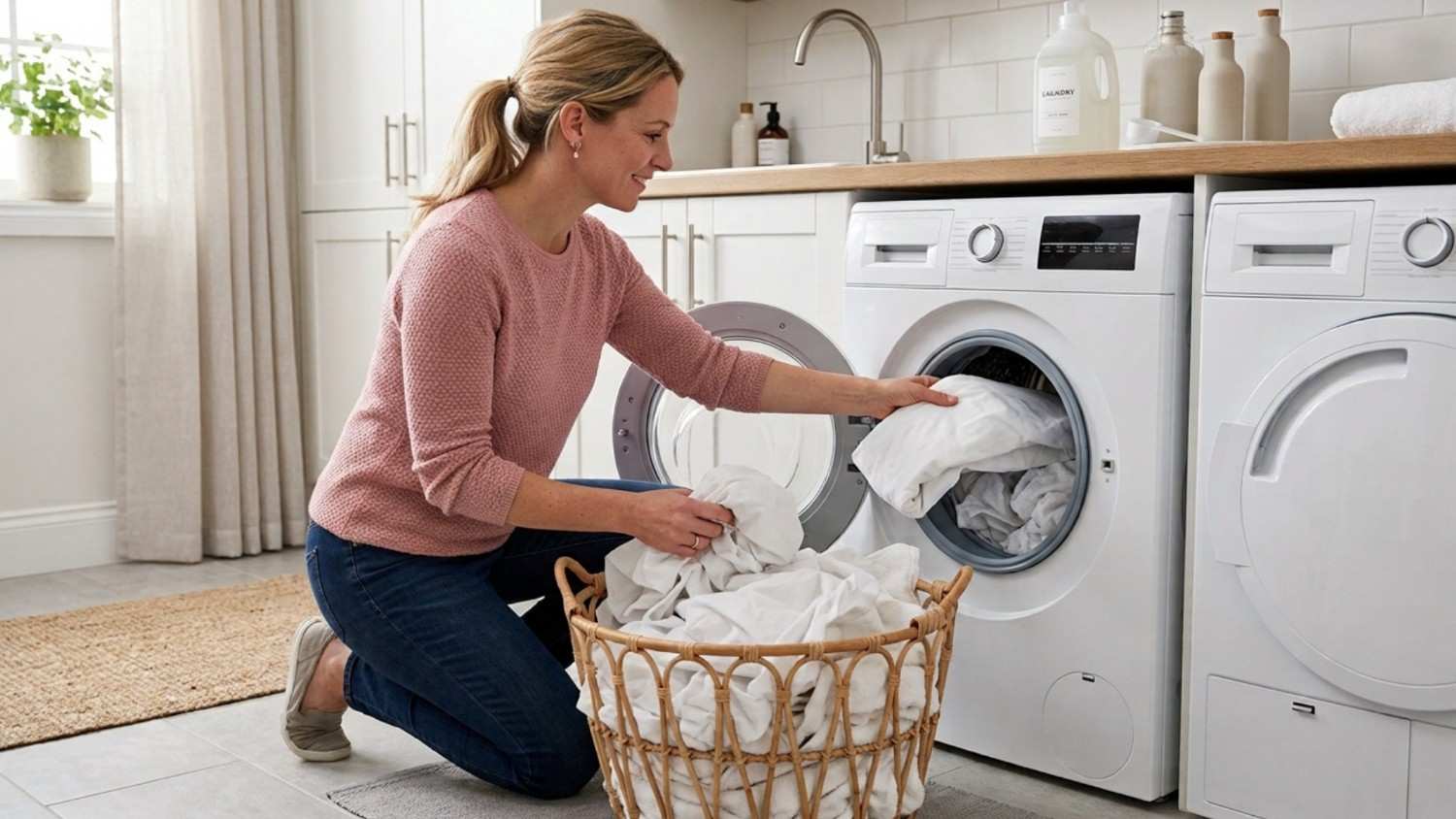
A well-configured commercial laundry setup should support the detergent programs and linen types your operation handles. For facilities handling several fabric types, ACE Commercial Laundry Equipment Inc. can help you compare commercial laundry equipment for sale with the cycle controls and chemical-dosing capabilities your wash program requires.
When comparing equipment, look beyond basic capacity and specifications. The right machines for your facility should support the wash cycles, dosing requirements and load types you manage each day.
Facilities in Westminster and across Southern California can call 714-640-6674 or schedule an appointment to discuss their commercial laundry equipment and operating needs.
Frequently Asked Questions
What water temperature is best for commercial linen detergents?
The right water temperature depends on the fabric, detergent formula and soil level. Follow the detergent and textile care requirements for each load rather than using one temperature for every fabric. Loads with thermal disinfection requirements should follow the approved time and temperature guidelines for that process.
How often should commercial laundry chemical dispensers be calibrated?
Check calibration whenever you change load size, water hardness or detergent concentration. You should also verify dispenser accuracy on a regular schedule because dosing can drift over time. Inconsistent cleaning or chemical residue can signal that the dispenser needs recalibration.
Can liquid and powder detergents be mixed in commercial washers?
Do not mix liquid and powder detergents in the same dosing system. They dissolve differently and may require different dispensing equipment. Mixing them can cause poor distribution, incomplete dissolving or detergent residue on linens.
How do you know if detergent is not rinsing out of linens?
Poor rinsing can leave linens stiff, greasy or waxy and may create a lingering chemical or soapy odor. Towels may also lose absorbency and performance fabrics may wick moisture less effectively. These signs can point to improper dosing, insufficient rinsing or poor final-rinse neutralization.