When your hotel dryers slow down, clean rooms can stay unavailable longer than expected. A delayed laundry cycle puts extra strain on your housekeeping team, especially during busy checkout periods when every load matters.
Reliable hotel laundry equipment plays an important role in keeping your daily operations on track. Understanding the issues behind dryer delays helps you maintain a smoother laundry process and avoid disruptions that affect your guests.
Most dryer delays trace back to workflow and maintenance problems rather than equipment failure. Southern California hotels get the fastest results by correcting airflow, load practices, and service schedules before considering replacement.
Why Hotel Dryers Face Problems Other Operations Do Not
Hotel laundry rooms process a fabric mix that punishes dryers harder than almost any other commercial setting. Terry goods dominate the load list, and terry sheds lint at a rate that overwhelms filters and ducts built for mixed fabric use.
Three conditions compound the problem:
- Volume per machine: Each dryer runs multiple cycles per day, every day, with no seasonal slow period.
- Shared exhaust systems: Multi-story properties often route several dryers into a common duct run, so one blockage degrades performance across the entire bank.
- Schedule pressure: Checkout windows set a hard deadline. A cycle that runs long does not just cost time; it pushes a room past its release target.
These conditions mean maintenance intervals borrowed from general commercial guidance run too long for hotel use.
What Do Slow Dryers Actually Cost You?
A dryer that runs twenty minutes longer may not seem like a major issue. Across thirty loads a day, those extra minutes add up quickly and reduce the time your housekeeping team has to prepare rooms. Hotels with aging laundry equipment in hotel facilities often absorb these hidden costs for months without realizing their impact.
The Impact of Dryer Delays on Your Guest Experience
When dryers fall behind, the delay affects your entire operation. Housekeeping waits for clean linen, room preparation takes longer, and the front desk handles complaints about delayed check-ins.
The problem starts in the laundry room before it reaches the guest. A dryer that cannot keep up with your required turnaround time creates pressure across multiple departments.
Why Adding More Dryers Does Not Always Solve the Problem
Adding machines does not always improve laundry output. Many hotels face workflow bottlenecks instead of a genuine capacity shortage.
Before investing in additional commercial laundry equipment for hotels, identify what is limiting your current system. Improving equipment performance and correcting process issues often produces better results than expanding without addressing the cause.
READ MORE: A 5-Minute Commercial Laundry Troubleshooting Guide for Staff
How Can You Restore Airflow to Cut Drying Time?
Restricted airflow increases drying cycles, raises operating costs, and creates more lint buildup inside your dryer system. Your team can address most airflow problems by checking a few common areas that affect ventilation.
Cleaning Lint Screens Before Every Load
A clogged lint screen limits airflow and forces the dryer to work harder. The machine takes longer to remove moisture, which increases equipment strain and affects linen quality over time.
- Clear the lint screen before every cycle, not once per shift. Make it part of your team’s standard laundry routine.
- Wash lint screens monthly with warm, soapy water. Fabric softener residue leaves a hidden film that restricts airflow even when the screen looks clean. Because a restricted screen adds minutes to every cycle it touches, clearing it consistently recovers time directly against your checkout-to-ready-room window.
Vacuuming Exhaust Ducts Weekly
Lint collects inside exhaust ducts where routine cleaning does not reach. Weekly vacuuming removes buildup from the vent chamber, heating area, and duct system.
Check the exterior outlet while the dryer runs to identify airflow problems. Weak air movement at the vent indicates a deeper blockage that requires additional cleaning.
Confirming Duct Length Stays Within Manufacturer Limits
Duct length affects airflow as directly as any blockage. Every elbow and bend adds equivalent length, and centralized hotel laundry rooms often sit far enough from an exterior wall to exceed manufacturer maximums.
Review the duct run against the specification for each model. Runs that exceed the limit need rerouting or a booster fan. A technician can measure static pressure to confirm whether your current configuration restricts exhaust flow.
Checking Weather Hoods for Blockage
A blocked weather hood limits exhaust flow and reduces dryer performance. Inspect the hood while the dryer operates and confirm that the damper opens fully.
Remove debris, lint buildup, or nesting materials as soon as you find them. Scheduled hood checks protect ventilation and prevent avoidable service interruptions.
How Can You Match Loads and Settings to Improve Linen Care?
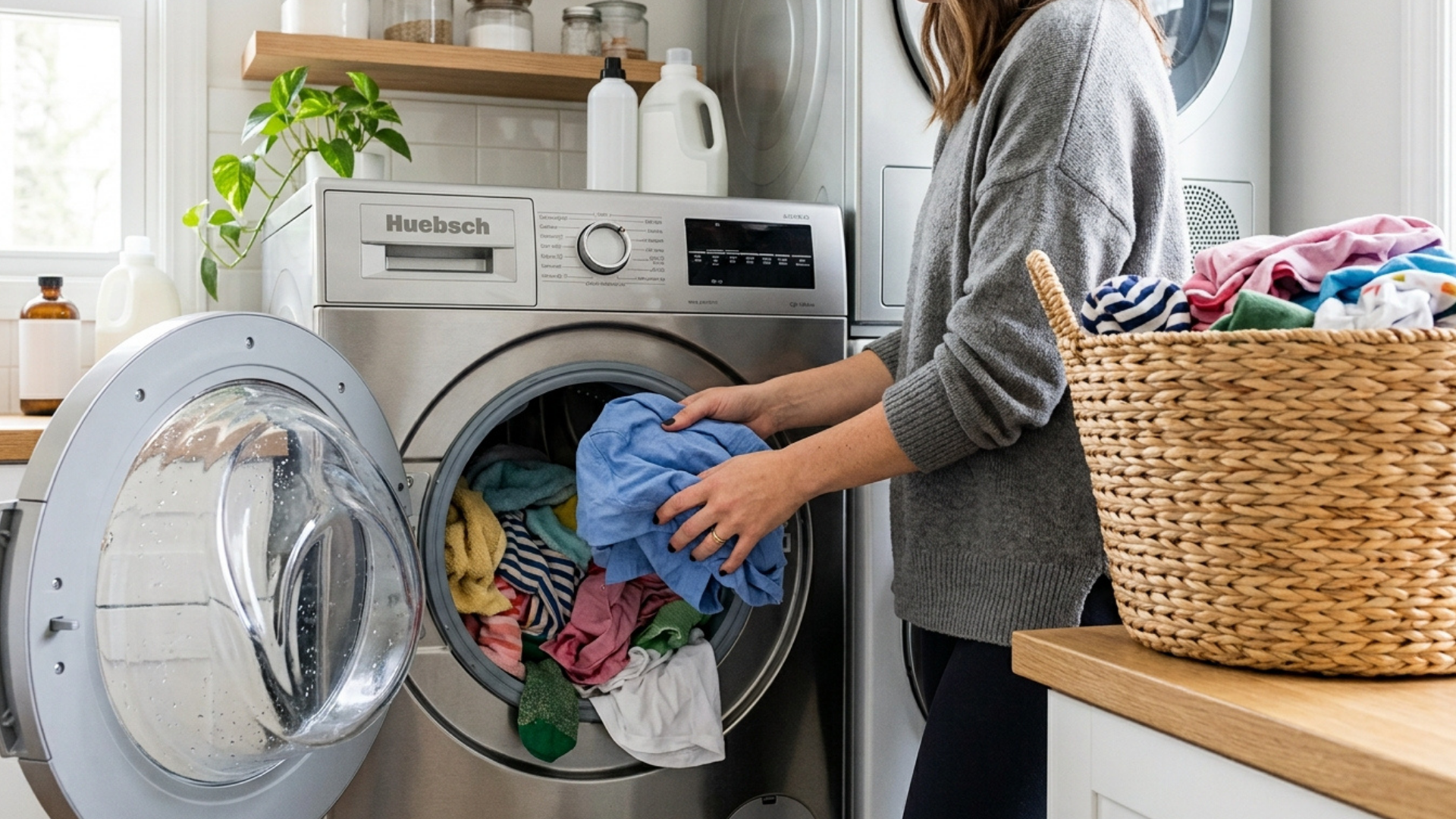
Airflow issues receive the most attention, but load management creates similar drying problems. Mixing fabric types, running inconsistent load sizes, and selecting wrong heat settings reduce efficiency and shorten linen lifespan.
Sorting Linen by Fabric Weight
Separate heavy items like bath towels, pool towels, and bath mats from lighter linens like sheets and pillowcases. Different fabrics require different drying times, and combining them reduces overall load consistency.
When sheets dry alongside heavier terry towels, lighter items over-dry before the towels finish. Sorting by fabric weight protects linens and keeps cycles predictable, which in turn keeps your linen supply moving at the pace room turns require.
Loading Machines to the Right Capacity
Overloading prevents proper tumbling and leaves damp areas that require additional cycles. Underloading also reduces drying efficiency because the load cannot move properly inside the drum.
- Follow the manufacturer’s capacity guidelines for each dryer model.
- Weigh loads when needed to maintain consistent results across shifts.
Consistent loading practices help your dryers operate efficiently and support reliable linen turnaround.
Setting Heat Levels Based on Fabric Type
Match heat settings to the linen being processed. Use higher heat for durable cotton towels, medium heat for blends, and lower heat for delicate materials.
Wrong temperatures increase wrinkles, weaken fibers, and shorten linen replacement cycles. Correct settings maintain linen quality while keeping drying performance consistent.
How Do You Diagnose Common Hotel Dryer Problems?
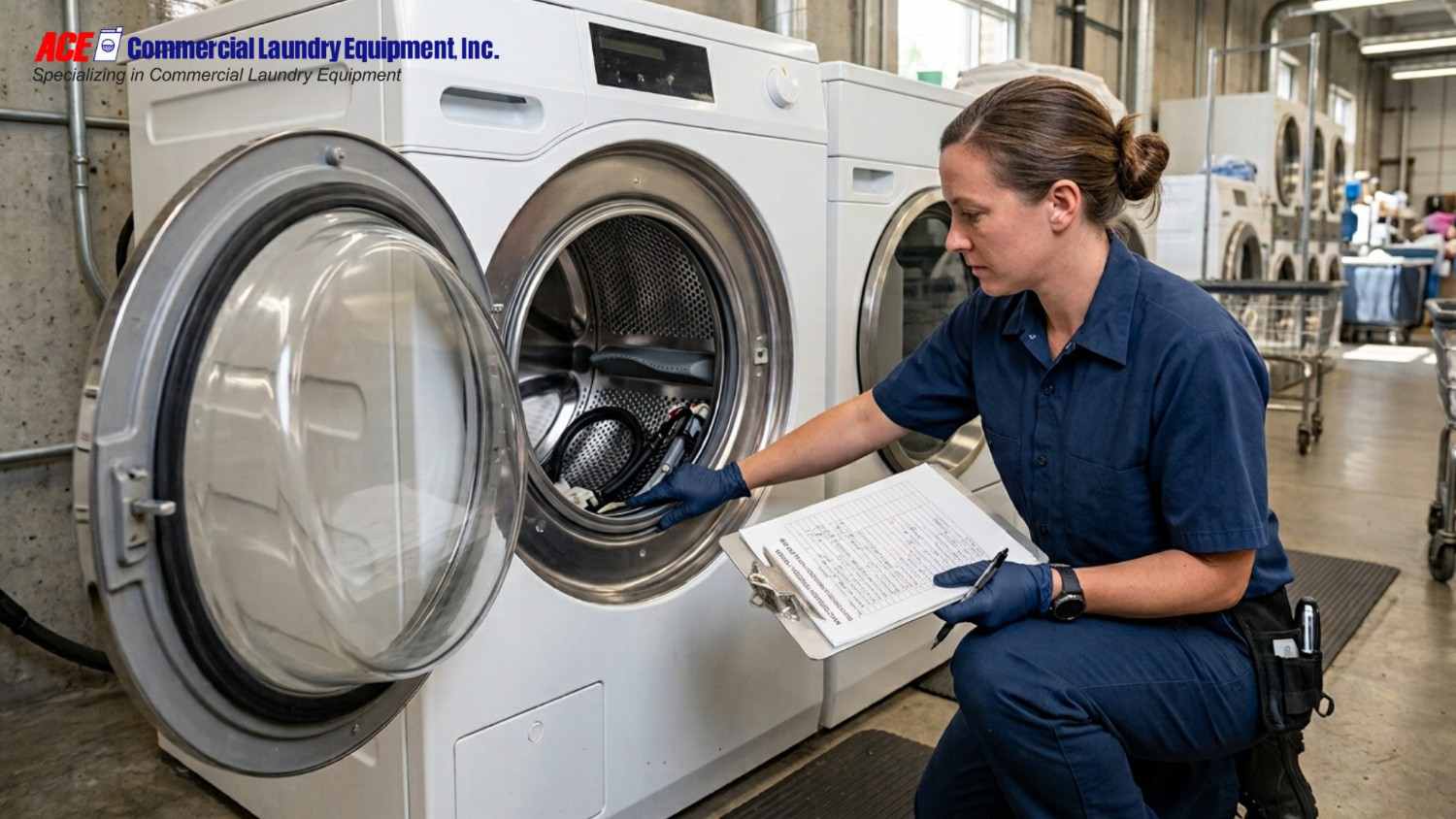
When a dryer stops working instead of slowing down, the cause is usually electrical or mechanical. Your team can identify the most common failures through simple checks before calling for service.
Dryer Runs Cold
Cause: A tripped breaker, blown thermal fuse, or failed heat source.
Fix: Check the breaker panel first and reset it if needed. If the dryer still runs cold, test the thermal fuse with a multimeter and replace it if it fails the continuity test.
The heat source differs by model. Electric dryers fail at the heating element, and a burned-out element produces no heat at all. Gas dryers fail at the igniter or burner assembly, and a weak igniter often produces intermittent heat rather than none. Confirm which type you are servicing before ordering parts.
Dryer Powers On but Does Not Tumble
Cause: A faulty door switch or failed start relay.
Fix: Press the door switch manually with the door open and listen for a clicking sound. If the switch does not respond, the dryer cannot recognize that the door is closed and will not start the drum.
Thumping, Grinding, or Squealing Sounds
Cause: Worn drum rollers, a stretched belt, or a damaged blower wheel.
Fix: Inspect the belt and rollers for cracks, wear, or damage. Replace worn components quickly to prevent a minor repair from becoming a larger equipment failure.
Musty Odors on Clean Linen
Cause: Moisture buildup inside the drum or an exhaust line that does not vent properly outside.
Fix: Clean the drum with an approved solution and inspect the exhaust path. A vent that releases humid air into an enclosed area returns moisture to your laundry space and affects linen quality.
What Preventive Maintenance Keeps Hotel Dryers Running?
Scheduled maintenance catches performance drift before it becomes downtime. These three tasks address the failures that most often develop quietly inside a machine that still appears to be working.
Wiping Moisture Sensors Monthly
Mineral buildup and fabric softener residue coat moisture sensors and distort how the dryer reads moisture levels. The machine may end cycles early or keep running well past the point of dryness.
Southern California hard water accelerates this problem. Dissolved minerals leave scale on sensor bars and drum surfaces faster than in soft-water regions, so hotels across the area should treat monthly cleaning as a floor rather than a target. Clean sensor bars with a manufacturer-approved solution to restore accurate cycle performance.
Testing Gas Burners and Igniters Quarterly
Uneven ignition creates inconsistent heat output and longer drying cycles. Quarterly testing keeps thermal performance stable across different loads.
Hotels running high-volume commercial laundry equipment for hotels alongside gas dryers should schedule both inspections together to reduce interruptions and simplify maintenance planning.
Logging Error Codes and New Noises Same Day
Error codes and unusual sounds signal developing equipment issues. Recording these warnings early helps your team spot patterns before a complete failure occurs.
Track error codes, unusual noises, and extended cycle times in a shared maintenance log. These records surface recurring problems and show when a unit may no longer be practical to repair.
When Does Repair No Longer Make Sense?
Not every dryer problem justifies another repair. Older units with repeated failures create higher costs through downtime, service calls, and rising operating expenses.
Signs it may be time to evaluate hotel laundry equipment replacement include:
- Frequent repairs on the same component within a short period
- Long cycle times that continue after operational adjustments
- Difficulty sourcing replacement parts, leaving units offline
- Increasing utility costs without higher laundry volume
A common industry benchmark puts the threshold at repair costs reaching half the replacement value within a twelve-month window. Apply that test against your maintenance log rather than against a single expensive service call, since one major repair on an otherwise reliable machine rarely justifies replacement on its own.
Your maintenance history does the work here. It shows which units drain budget consistently and which had one bad quarter, and that distinction determines where replacement dollars belong.
ALSO READ: When It Makes Sense to Repair or Replace Commercial Laundry Equipment
Get Expert Support for Your Hotel Laundry
Choosing a laundry setup requires more than replacing a single machine. Your equipment should match your linen volume, available space, and daily workflow to support consistent performance.
ACE Commercial Laundry Equipment Inc. has supported Southern California properties since the late 1950s as a Premier Huebsch® dealer. Our team works with hotels throughout the region by providing equipment guidance, parts support, and maintenance solutions.
Experienced hotel laundry equipment suppliers can evaluate your existing system, plan new installations, and help you make informed decisions about your laundry operations. Properties looking to improve a current setup or size new machines get better outcomes when the recommendation starts with their actual usage patterns.
Ready to stop losing room turns to slow dryers? Request service for a technician visit, or explore hotel laundry solutions to compare equipment sized for your property.