Water, gas, and electricity can take up a significant portion of your laundromat’s revenue, making utilities one of your biggest operating expenses. Your actual costs depend on your machine count, the efficiency of your laundromat equipment, local utility rates, and daily customer traffic.
Understanding what drives your utility bills can help you identify unnecessary expenses, make informed equipment decisions, and protect your profit margins.
How Much Do Laundromat Utilities Cost Each Month?
Your monthly utility bills reflect how much water, gas, and electricity your store consumes, along with the rates your providers charge. Reviewing each expense separately gives you a clearer picture of your operating budget.
What Does Each Utility Power in Your Laundromat?
Each utility supports different parts of your daily operations:
- Water and sewer: Washing cycles, utility sinks, and restrooms.
- Natural gas: Water heaters and gas-powered dryers.
- Electricity: Washer motors, machine controls, lighting, heating and cooling systems, payment kiosks, vending machines, and high-speed extraction.
Your utility bills may also include fixed service fees, delivery charges, and other charges that don’t change directly with consumption. Check these additional costs when reviewing your monthly expenses.
What Can Your Monthly Utility Bills Look Like?
Your total expenses depend on your store’s size, equipment, customer volume, and utility rates. For example, a 15-machine neighborhood laundromat will generally consume fewer resources than a busy 60-machine facility, although individual operating conditions can affect the comparison.
Here’s a hypothetical monthly utility breakdown to show how these expenses add up:
- Water and sewer: $1,500 per month
- Natural gas: $1,200 per month
- Electricity: $900 per month
- Total monthly utilities: $3,600
If your store generates $20,000 in monthly revenue, these expenses would represent 18% of your gross revenue. This example illustrates the calculation rather than an industry average.
Why Can Water and Sewer Be Major Laundromat Expenses?
Water and sewer charges can account for a substantial portion of your laundromat’s operating costs. Understanding how providers calculate these charges helps you recognize where your store may be spending more than necessary.
Sewer Charges Increase Your Water Costs
Many municipalities base sewer fees on metered water usage, with charges that vary by location and rate structure. As your store uses more water, your sewer costs generally increase as well.
Older top-load coin-operated laundromat equipment often uses more water per cycle than comparable high-efficiency washers.
Efficient Washers Help Lower Water and Sewer Bills
High-efficiency front-load washers use less water per cycle without sacrificing cleaning performance. Reducing water consumption also helps lower usage-based sewer charges, allowing you to save on both expenses.
These machines often extract more moisture from clothes, which can shorten drying times and improve machine availability. When comparing laundromat equipment for sale, check water consumption across machines with similar load capacities to understand their operating costs.
Leaking valves, running toilets, and improperly calibrated washers can quietly add to your water bill; regular inspections and correct wash settings address these issues without major equipment upgrades.
Where Does Gas Go in a Laundromat, and How Do You Control It?
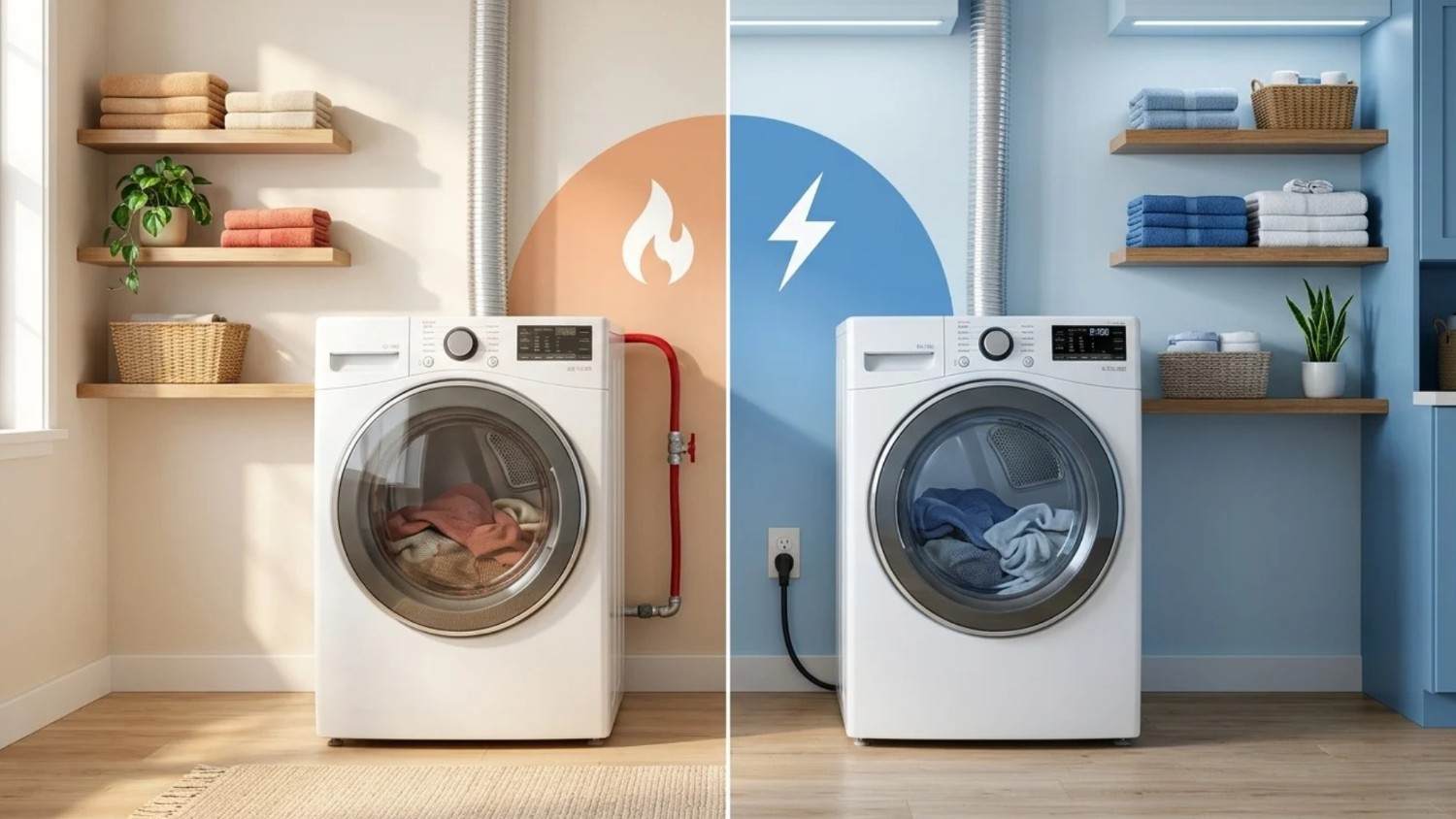
Natural gas typically powers your water heaters and gas dryers. These systems handle some of the most energy-intensive tasks in your laundromat, so managing their efficiency can help you control monthly expenses.
How Is Natural Gas Usage Measured in a Laundromat?
Utility providers typically measure natural gas consumption in therms. Your gas bill reflects the amount of fuel your equipment consumes, along with applicable utility rates and service charges.
Your gas meter, regulator, and supply lines must also support your equipment’s fuel requirements. Insufficient gas supply can affect equipment performance, so have a qualified professional check your system before adding gas-powered machines.
Gas Dryers Often Cost Less to Operate Than Electric Dryers
Gas dryers can offer lower operating costs in areas with favorable natural gas rates. However, your building’s existing infrastructure and local utility prices should guide your decision.
- Electric dryer suitability: Electric dryers may work better in locations without natural gas service.
- Electrical requirements: Electric dryers can significantly increase your store’s power demand and may require electrical upgrades.
- Installation expenses: Gas lines, electrical panels, and ventilation requirements affect your total investment.
- Long-term energy costs: Compare local gas and electricity rates alongside the expected energy consumption of each dryer type.
Maintain Water Heaters and Dryers to Reduce Gas Consumption
Your wash temperatures, dryer airflow, and maintenance practices directly affect gas usage. Hot-water cycles require more energy, while clogged dryer vents and lint buildup can extend drying times.
Schedule regular inspections of water heaters, gas connections, dryer vents, and lint systems. Proper dryer temperature settings, clean exhaust systems, and well-maintained burners help your equipment use fuel efficiently.
What Drives the Electric Bill, Even in a Gas-Heated Store?
Using natural gas for heating doesn’t eliminate your laundromat’s electricity expenses. Your store still needs power for washing machines, cooling systems, lighting, and other operations, and their combined consumption can add up throughout the month.
Electricity Powers More Than Your Washing Machines
Your electric bill covers several essential systems, including washer motors, payment machines, lighting, air conditioning, security cameras, and equipment controls. Some operate continuously, even when customer traffic slows.
Pay particular attention to equipment that runs for extended periods, such as air conditioning, lighting, and ventilation systems. Their operating schedules can affect how much electricity your store consumes beyond regular wash cycles.
Peak Demand Charges Can Increase Your Electric Bill
Some commercial utility providers use demand charges, which bill businesses based on their highest electricity demand during a billing period. Others use time-of-use rates, which change the price of electricity based on when you consume it.
For example, running several electric dryers simultaneously may increase your peak power demand. Review your utility rate structure to see whether adjusting equipment schedules or managing peak usage could lower your bill.
Check Electrical Capacity Before Buying Equipment
Your electrical system must supply enough power to operate your washing machines, dryers, lighting, cooling systems, and other equipment.
Electric dryers and larger machines may require additional electrical capacity. Insufficient capacity can limit equipment additions and lead to costly upgrades, so have a qualified electrician assess your system before installing new machines.
The same applies when upgrading existing payment systems or adding higher-capacity washers. Planning for your store’s electrical requirements helps you avoid unexpected installation expenses.
Simple Changes Can Reduce Electricity Waste
You don’t always need major equipment upgrades to lower your electric bill. Focus on improvements that reduce unnecessary power consumption.
- Replace traditional bulbs with energy-efficient LED lighting.
- Adjust heating and cooling schedules to match your operating hours.
- Repair worn machine components that affect cycle performance.
- Inspect equipment controls for faults that cause unnecessary operation.
- Monitor electricity consumption to identify unusual increases.
LEARN MORE: Gym Laundry Utility Cost Traps and How to Reduce Waste
How Do You Calculate and Lower Total Utility Costs?
Calculating your utility cost per load helps you understand how much you spend to operate your machines. You can use these figures to evaluate your pricing and measure changes in operating efficiency.
How to Calculate Your Laundromat’s Utility Cost Per Load
Start with your actual utility bills and machine usage records. Use the rates, fixed charges, and consumption totals from your latest statements to calculate expenses that reflect your store’s operating conditions.
Daily machine usage also affects your total spending. Some operators use 3.5 turns per washer per day as a planning assumption, although actual activity varies by location. As customers complete more wash and dry cycles, your store generally consumes more utilities.
You can break down your costs using these calculations:
- Water and sewer cost per wash: Multiply the gallons used per cycle by your combined water and sewer usage rate per gallon.
- Gas cost per cycle: Multiply the therms consumed by your local gas rate per therm.
- Electricity cost per cycle: Multiply the kilowatt-hours (kWh) consumed by your electricity rate per kWh.
- Average total utility cost per load: Divide your combined monthly utility expenses by the total number of completed loads.
For a simple store-wide calculation, use this formula:
(Water and sewer + gas + electricity) ÷ total completed loads = average utility cost per load
For example, suppose your laundromat spends $3,600 on utilities in one month and records 6,000 completed wash and dry cycles.
$3,600 ÷ 6,000 = $0.60 per completed cycle
This hypothetical example gives you a blended average across all recorded cycles. It doesn’t represent the exact operating cost of each machine.
For more accurate pricing, calculate washer and dryer expenses separately. A large hot-water wash uses different resources than a small cold-water wash, and drying time also affects individual cycle costs.
Remember that equipment purchase prices don’t tell you everything about long-term expenses. When evaluating commercial laundromat equipment, consider its expected water, gas, electricity, and maintenance costs throughout its service life.
How to Build a Monthly Utility Cost-Tracking Plan
Once you know your average costs, review them regularly to see how your store performs over time. A consistent tracking process can help you identify unusual expenses before they become ongoing problems.
Follow these steps each month:
- Record your utility expenses. Track water, sewer, gas, and electricity costs separately, including fixed fees and usage-based charges.
- Compare spending with machine activity. Review your utility expenses alongside completed wash and dry cycles to understand changes in consumption.
- Monitor costs by machine size. Compare smaller and larger washers, along with different dryer types, to identify differences in operating costs.
- Investigate unusual increases. Check whether higher bills result from increased usage, utility rate changes, equipment problems, or seasonal demand.
- Review your pricing and equipment performance. Use your findings to determine whether you need to adjust vend prices, improve operations, or consider equipment upgrades.
Compare both consumption and expenses rather than looking at your total bills alone. For example, a higher electricity bill may reflect a rate increase even when your store uses the same amount of power.
This approach helps you make decisions based on your actual operating costs instead of relying only on industry estimates.
READ MORE: Why Cheap Commercial Laundry Equipment Can Cost You More
Lower Your Laundromat’s Utility Costs With ACE Commercial Laundry Equipment Inc.
If you’re considering an equipment upgrade, ACE Commercial Laundry Equipment Inc. can help you compare machine specifications, utility requirements, and long-term operating costs. We offer Huebsch laundromat equipment for sale, with options designed to support efficient water and energy use while maintaining reliable cleaning performance.
Our laundromat equipment sales team provides equipment selection guidance, consulting, installation planning, and after-sales support. Whether you’re opening a new store or replacing existing machines, we supply commercial laundry equipment for laundromats that fits your operational needs. Contact ACE Commercial Laundry Equipment Inc. today to discuss your equipment options and find practical ways to manage utility expenses.