Schools can cut laundry costs by improving daily practices, setting clear rules, and choosing machines that perform efficiently at scale. Across dorms, athletic departments, and K-12 facilities, unnecessary cycles can quickly increase water, energy, labor, and maintenance expenses. When you manage laundry equipment for schools with clear guidelines and consistent daily habits, you can lower the cost per cycle and help your equipment perform reliably over time.
Why Do School Laundry Costs Keep Rising?
Cost control starts before anyone presses the start button. Load size, water temperature, machine condition, and user habits all affect resource use and long-term expenses. Small inefficiencies may seem minor, but when they repeat across hundreds of weekly cycles, they can add thousands of dollars to a school’s annual laundry budget.
The Operational Drivers Behind Waste
Four problems appear often in campus laundry facilities:
- Underloading: A half-full washer uses nearly the same water and energy as a full one. Every small “emergency” wash increases the cost per pound of fabric cleaned.
- Overloading: An overloaded drum prevents proper movement and often means you are paying to clean the same load twice.
- Hot water defaults: Heating water accounts for a large share of the energy used in a typical wash cycle. When students choose warm or hot settings out of habit, utility bills climb without improving results for routine loads.
- Equipment downtime: A broken machine creates queues, frustration, and off-site laundering expenses. Delayed maintenance on school laundry equipment can also turn a minor repair into a costly replacement.
Addressing even two or three of these habits consistently can reduce weekly cycle counts and extend equipment life.
RELATED ARTICLE: Why Cheap Commercial Laundry Equipment Can Cost You More
How Do Full Loads Reduce Waste?
The most cost-effective cycle is the one you do not need to run. Consolidating compatible laundry into properly sized loads reduces the total number of weekly cycles across your operation.
The Full Load Standard
A full load makes better use of the resources required to clean each pound of fabric. Campus housing teams can support this standard by discouraging small, single-person washes and giving students access to machines that fit the building’s actual demand. Larger-capacity washers may allow roommates to combine compatible items and reduce the total number of cycles.
Students also need to understand the difference between a full washer and an overloaded one. Clothes need enough room to move through the wash solution. When facility managers size laundry equipment for schools based on real usage, they reduce both half-empty cycles and tightly packed loads that may require rewashing.
How Sorting and Spin Speed Shorten Cycle Times
Sorting laundry by fabric type and soil level helps users select the shortest effective cycle instead of relying on the same setting for every load. This approach can shorten wash times without sacrificing cleaning performance.
Spin speed also affects the drying process. A high-speed final spin removes more water before clothes enter the dryer, which shortens drying time. Front-load washers with high spin speeds support faster wash-to-dry cycles, making them a practical choice for residence halls and other shared laundry facilities.
Simple Rules That Keep Machines Efficient
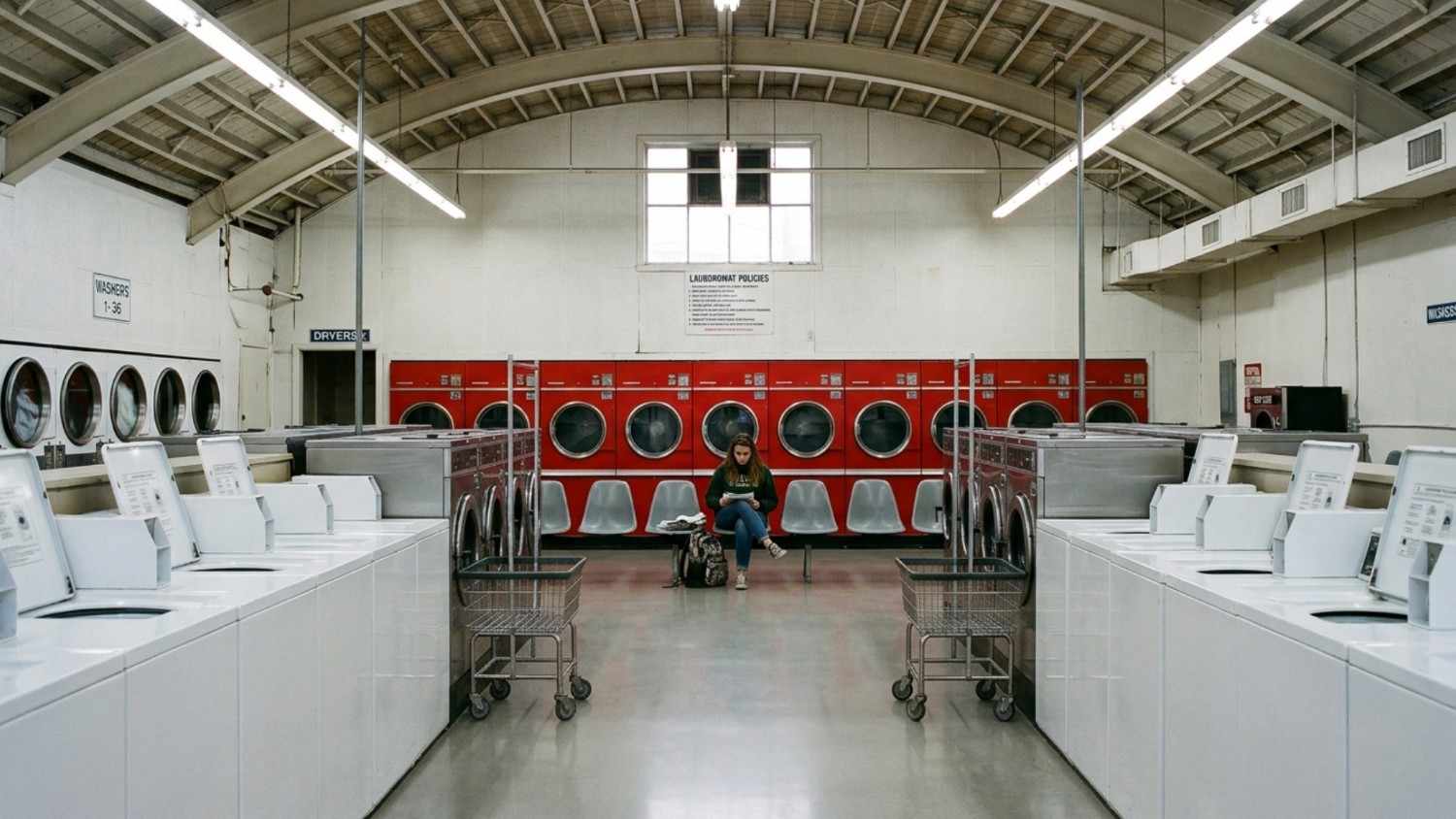
Load discipline works when users can remember what to do without staff present. A short, visible policy posted near the machines is the most reliable way to turn good habits into daily practice.
A Five-Rule Policy Schools Can Post
- Run washers only when they are full, but never pack them tightly.
- Use cold water for routine loads and reserve hot water for approved exceptions, such as heavily soiled athletic gear.
- Match the cycle to the fabric type and soil level.
- Measure detergent correctly to prevent excess rinsing, residue, and drain problems.
- Remove clothes promptly so other users can access the machine.
A short policy gives users clear instructions they can follow without supervision.
How Schools Can Make the Rules Stick
Pre-measured detergent or clearly marked measuring caps can reduce overuse and remove guesswork. Short training sessions during move-in, staff onboarding, or the start of an athletic season can also build stronger habits than lengthy written policies.
Facility teams should also review peak usage times. If machines sit idle during weekday mornings but become congested on Sunday evenings, the problem may involve scheduling and user behavior rather than a lack of capacity. Clear signs, mobile availability tools, or time-based incentives can help spread demand throughout the week.
Schools comparing the best laundry equipment for universities and colleges should also review the machine controls. Clear cycle labels, simple instructions, and programmable default settings can guide users toward better choices even when staff members are not present.
How Does Equipment Choice Affect Utility Bills?
Good laundry habits limit unnecessary use, but the machines you choose set the baseline cost of each remaining cycle. High-efficiency commercial equipment and connected monitoring systems improve reliability and reduce long-term cycle expenses.
High-Efficiency Machines Lower Cost Per Cycle
ENERGY STAR-rated commercial washers use less water and electricity per cycle than standard residential machines. They are also built to handle the heavy daily use common in schools, colleges, and universities. Residential machines often wear out quickly in shared laundry areas because they are not designed for institutional workloads.
The savings increase when efficient equipment is paired with consistent laundry procedures. Schools evaluating laundry equipment for universities should compare long-term ownership costs instead of focusing only on the purchase price. Water, energy, maintenance, and repair expenses often exceed the initial equipment investment over the life of the machine. The same math applies to school laundry equipment for K-12 campuses and athletic departments, where smaller rooms and daily uniform or towel loads make cycle speed and machine durability the deciding factors.
Connected Monitoring Improves Efficiency
Connected laundry management systems help facility teams track machine usage, peak demand, and equipment performance from a central dashboard. This visibility helps staff identify issues early instead of waiting for users to report them. Many systems also allow students to check machine availability through a mobile app, which helps distribute use throughout the day and reduces congestion during peak hours.
Usage data also supports preventive maintenance. For example, if one dryer consistently takes longer to finish than others, staff can inspect the vent or perform routine maintenance before the problem leads to a major repair. For university housing operations spanning multiple buildings, connected monitoring helps improve uptime, control maintenance expenses, and keep operations consistent.
ALSO READ: Water-Saving Tips for Commercial Laundry Rooms
Request a School Laundry Assessment Today
Smarter loads, clear operating rules, and dependable equipment work best when you use them together. This approach helps your school control overhead and keep campus laundry operations running with fewer interruptions.
ACE Commercial Laundry Equipment Inc. has supported Southern California schools, universities, and campus housing operators. Our team provides Huebsch commercial washers and dryers built for institutional use, along with laundry management systems, monitoring solutions, and responsive local service. If you are planning an upgrade or want a clear assessment of your current laundry equipment for schools, request a quote or consultation to discuss the right next steps for your facility.
Frequently Asked Questions
What is the difference between a commercial-grade washer and a regular washer?
Commercial-grade washers use stronger frames, motors, and internal components that can handle frequent daily use. They also offer commercial warranties and features such as cycle controls, payment integration, and remote monitoring that residential machines typically do not include.
How much does a commercial washer for a school cost?
The cost depends on the washer’s capacity, spin speed, control system, payment setup, and installation needs. A site assessment provides the most accurate quote because utility connections, room layout, and project size all affect the final price.
What is the best time of day to run laundry to save money?
Schools with time-of-use utility rates may save money by running laundry during off-peak hours. These periods often include early mornings, late evenings, and weekends, but you should check your local utility rate schedule for exact times.
Do most colleges let students do laundry for free?
Laundry policies vary by campus. Some campuses bundle laundry into housing fees so machines run without direct payment, while others use vended or app-based payment per cycle. Each model shifts who absorbs the utility expense, which is why usage rules matter even in “free” student laundry areas.
Does laundry room layout affect operating costs?
Yes. A poor layout can create congestion, slow the wash-to-dry process, and restrict dryer ventilation. A well-planned facility improves workflow, reduces drying times, and helps equipment perform reliably.