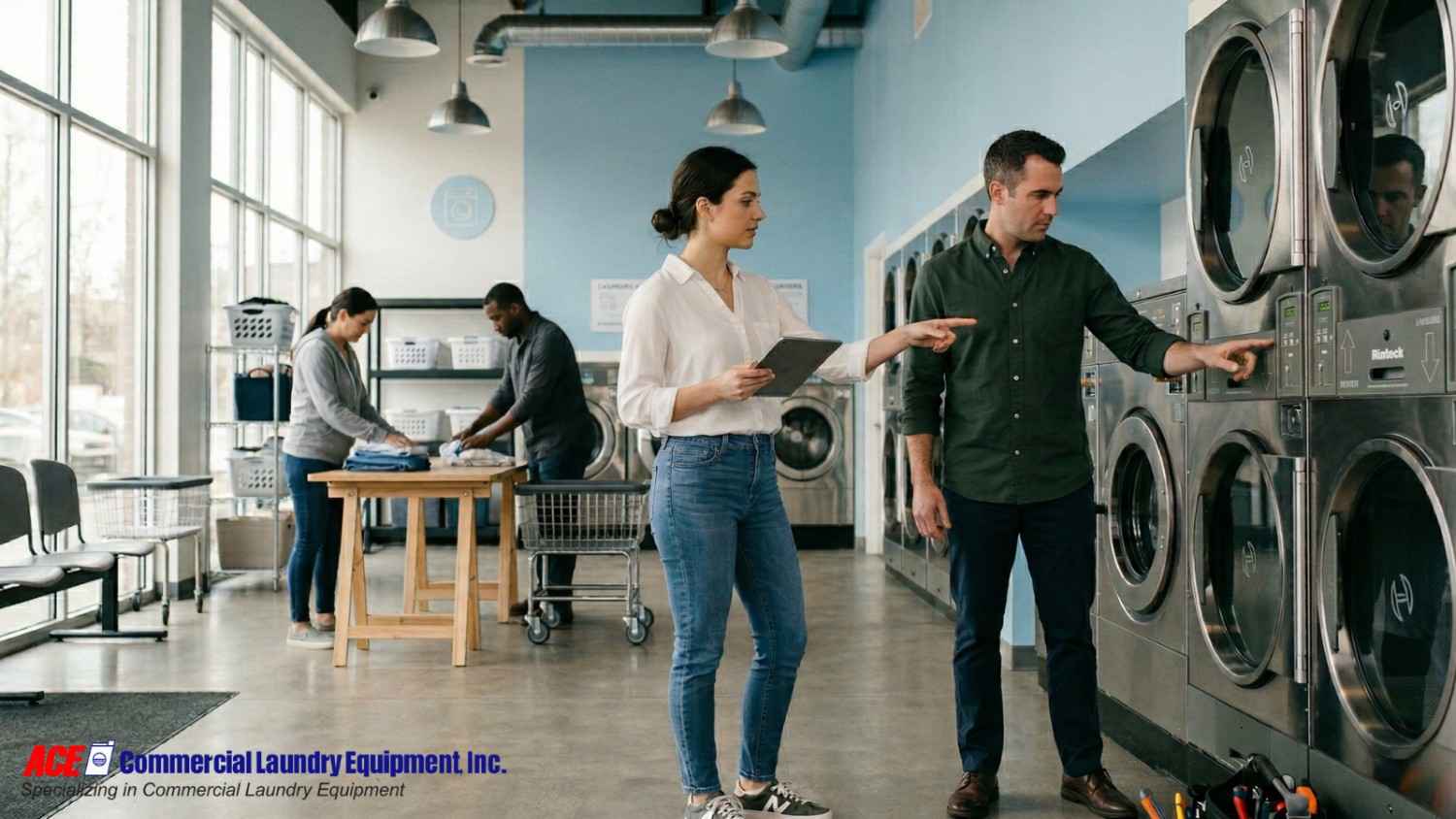
When deciding between leasing and buying commercial laundry equipment, many operators focus on the monthly payment. While that’s an understandable starting point, it’s often the quickest way to make the wrong choice. The decision should be based on how the equipment fits your business model, your financial situation, and your long-term objectives, not just what works for your budget this quarter.
In this blog, we will break down both options clearly so you can make a confident decision before committing to anything.
How to Fit Your Decision to Your Business
Cost matters, but it’s not the only factor. Two operators can look at the same lease terms and reach completely different conclusions based on how their businesses actually operate. Before analyzing the numbers, understand what your business needs from its equipment.
What Your Business Model Actually Tells You
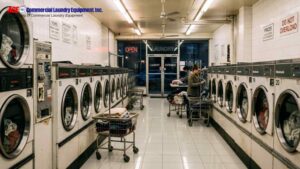
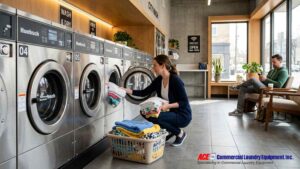
A laundromat that generates revenue directly from its machines has a different relationship with commercial laundry equipment than a hotel using laundry as a back-of-house function. For the laundromat operator, the machines are the product, and downtime costs money in real time. For the hotel, laundry supports the guest experience. Downtime is disruptive, but the revenue logic is different.
On-premise laundry operations at healthcare facilities, schools, and gyms sit closer to the support-function model. The equipment serves internal needs rather than directly generating revenue. This difference shapes how you should evaluate leasing versus buying.
The Variables That Change the Math
Before making a decision, answer these key questions honestly:
- How long do you plan to keep this equipment? Long-term use favors buying, while short cycles favor leasing.
- How critical is uptime to your revenue? The higher the stakes, the more service coverage matters.
- What is your current capital position? Leasing helps protect cash, while buying depletes it upfront.
- Do you have in-house repair capability? If not, consider the added cost of third-party service for owned equipment.
- How often do you want access to updated technology? Operators who want the best commercial laundry machines on a regular cycle lean toward leasing.
These factors, not just the monthly rate, will determine which path costs less and causes less friction over time.
The Case for Leasing Commercial Laundry Equipment
Leasing is built around flexibility and reduced operational risk. For certain business profiles, it’s not just the easier option; it’s the more strategic one.
Lower Upfront Commitment, Predictable Monthly Costs
Commercial laundry equipment represents a significant capital investment. Leasing reduces the initial cash outlay substantially, helping preserve working capital for staffing, marketing, or facility improvements. On a mid-to-large equipment package, leasing can cut your entry cost significantly compared to outright purchase.
It’s worth noting that installation, delivery, and setup costs are part of the real entry cost comparison. Plumbing connections, venting, electrical work, and flooring reinforcement can add meaningful expense to a purchase. Many lease agreements bundle installation into the arrangement, so confirm what’s covered before calculating your total upfront cost on either path.
Fixed monthly payments also make budgeting more straightforward. Operators managing multiple properties find it easier to standardize expenses across locations, which simplifies forecasting and reduces the financial surprises that come with unpredictable repair bills.
Service, Maintenance, and What Leasing Includes
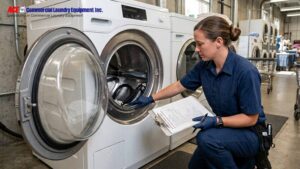
Many lease arrangements bundle installation, maintenance, and repair coverage into the agreement. That removes the unpredictability of service costs and protects operators who don’t have dedicated maintenance staff. A machine goes down, you make a call. The coverage handles the rest.
Lease terms typically run 5 to 7 years. At renewal, operators can move to newer, more energy-efficient commercial laundry machines without the hassle of selling or disposing of older units. That upgrade advantage carries a financial dimension worth understanding: newer commercial washers can reduce water consumption by 30 to 50 percent compared to machines from ten or more years ago. For a laundromat or multi-housing operation running equipment 12-plus hours a day, those utility savings partially offset the higher total cost of leasing over time.
One practical note on insurance: leased equipment often requires specific insurance riders that your lessor mandates as part of the agreement. Owned equipment falls under your general property coverage. Review your current policy before signing a lease to understand any additional insurance costs involved.
Who Leasing Works Best For
- New or expanding facilities: Leasing removes the need to gather full purchase capital before launching. You can start generating revenue right away, rather than waiting to build capital for an upfront purchase.
- Multi-location operators: Standardized monthly payments and bundled service make managing a portfolio of properties easier.
- Businesses prioritizing uptime: Service coverage reduces downtime, especially if your machines are a primary revenue driver.
- Operators in fast-changing markets: Leasing provides easy access to updated equipment at renewal, helping you stay competitive without a major reinvestment.
The Case for Buying Commercial Laundry Equipment
Buying makes sense when you want long-term control, full ownership, and stronger overall economics. For established businesses with stable cash flow, the math often tips decisively toward purchase.
Ownership, Equity, and Long-Term Economics
Once the equipment is paid off, there are no more monthly payments. Over a ten-year useful life, the total cost of ownership for purchased equipment is typically lower than a leased arrangement covering the same period. That gap widens the longer you run the machines.
Purchased equipment is also an asset for your business. It can be depreciated over its useful life, potentially reducing taxable income over several years. Lease payments, on the other hand, are treated as operating expenses and can be deducted in the year paid. Both have tax implications worth discussing with your accountant, since treatment varies by business structure and jurisdiction.
Control Over Service and Replacement Decisions
Owners decide when to repair, when to replace, and who handles service. There are no lease restrictions on modifications or vendor choices. That control matters for operations that have established service relationships or in-house technicians who already know the equipment.
For facilities that keep machines running well past their original warranty period, the ability to manage maintenance directly often translates into meaningfully lower operating costs. You set the schedule, choose the parts, and make the call on repairs versus replacement.
Who Buying Works Best For
Buying is a strong fit for operators who have the financial foundation to absorb an upfront investment and the operational structure to manage the equipment over its full useful life. The profiles below represent the most common scenarios where ownership delivers a clear advantage.
- Established operators with strong cash flow: Upfront capital is available without affecting day-to-day operations.
- Long-tenure facilities: If you plan to use the same equipment for ten or more years, ownership maximizes value.
- Businesses building asset value: Equipment on the balance sheet increases the overall value of your operation.
- Operators with in-house service capability: Ownership lets you source parts independently, work with your preferred vendors, and manage your own service schedule. This often leads to lower costs compared to bundled service contracts.
If your operation checks most of these boxes, buying is likely the more economical path. If only some apply, the side-by-side comparison below will help you weigh the remaining trade-offs before committing.
Leasing vs. Buying: Key Considerations
Both leasing and buying are financially legitimate. The comparison below highlights the core factors to help clarify your decision.
Upfront Capital vs. Total Cost of Ownership
Leasing reduces entry costs, while buying reduces cumulative costs. The gap between these two options widens over time.
Consider a machine with a 12-year useful life. Purchased outright or through financing, that equipment is paid off well before the end of its service window. Two consecutive lease cycles covering the same period will almost always cost more in total payments, sometimes substantially more. Operators who upgrade every 5 to 7 years close that gap, but they also take on the transition cost of moving to new equipment each cycle, which leasing absorbs into the arrangement.
Installation, delivery, and setup costs belong in this calculation too. If a purchase requires $5,000 to $15,000 in site preparation that a lease bundles at no additional charge, that difference shifts the upfront cost comparison meaningfully.
Service and Maintenance: Included or Your Responsibility?
Leasing typically includes service agreements; buying does not. When you own the equipment, you are responsible for repair costs. Before committing to a purchase, be sure to get accurate quotes from third-party service providers in your area. Service contract pricing varies significantly by machine type, brand, and region, and that number needs to be part of your total cost calculation.
Operators without in-house technicians should pay particular attention here. A service gap on owned equipment means waiting on a vendor, negotiating a repair, and absorbing the cost, all of which take time your operation may not have.
Keep insurance obligations in mind as well. Leased equipment typically requires specific coverage riders that the lessor mandates. Owned equipment falls under your existing property policy. Confirm both scenarios with your insurance provider so you’re comparing true all-in costs.
Tax Treatment and Financial Flexibility
Lease payments are typically treated as operating expenses, which can simplify the accounting and offer full deductibility in the payment year. Purchased equipment is usually capitalized and depreciated over time, spreading the tax benefit across multiple years.
Commercial laundry equipment financing sits between leasing and buying. It offers some capital flexibility upfront while building toward full ownership. The tax advantages are similar to an outright purchase.
What Happens at the End of a Lease?
This is one of the most overlooked questions in the leasing conversation. When a lease term ends, operators typically have three options: return the equipment, renew the lease on updated machines, or purchase the equipment at the end of the term.
Buyout structures vary. A $1 buyout lease, sometimes called a capital lease, is structured so the operator essentially purchases the equipment through the lease payments, with a nominal $1 payment to transfer ownership at the end. A fair market value buyout gives the operator the option to purchase at whatever the equipment is worth at lease end, which is lower but not predetermined.
Understanding which structure you’re signing matters before you commit. Ask your equipment provider to clarify the buyout terms, removal responsibilities, and what condition the equipment must be in at return.
LEARN MORE: The Pros and Cons of Leasing vs. Buying Laundry Equipment
How to Choose: A Practical Framework
There’s no universal right answer. There is a right answer for your operation. These questions help cut through the noise and point you in the right direction.
Questions to Ask Before You Decide
Work through these before committing to either path:
- How much capital can you commit upfront without affecting operations?
- What is the realistic useful life of this equipment in your facility?
- Do you have reliable service coverage if a machine goes down?
- How important is access to the latest technology in your competitive market?
- Would a predictable monthly expense simplify your financial planning?
- Are you looking at commercial laundry equipment for sale outright, or are you open to financing or lease structures?
- What are the buyout options at the end of the lease term, and do they align with your ownership goals?
If most answers point in the same direction, that’s your path. If they’re split evenly, the right move is a direct conversation with an equipment specialist who can run the numbers for your specific situation.
When Financing Becomes the Middle Ground
Equipment financing lets operators acquire commercial laundry machines without a single large upfront payment. You spread the cost over time, build toward full ownership, and retain the asset at the end of the term. Operators with available capital who prefer not to deploy it all at once, or those who want ownership economics without the full cash flow hit, often find financing the most practical fit.
Credit qualification is also a consideration. Financing through an equipment lender typically requires a stronger credit profile than a standard lease. Newer operators or those earlier in their credit history may find leasing the more accessible entry point while they build the financial track record needed for traditional financing.
ALSO READ: Commercial Laundry Equipment Financing Options Explained Simply
Get Expert Guidance Before You Decide
Leasing and buying both have strong cases, but the decision ultimately depends on your cash position, operational model, and how long you plan to use the equipment. Getting this decision right from the start can save you a significant amount of money and frustration over the life of your machines.
ACE Commercial Laundry Equipment has worked with laundromats, hotels, multi-housing properties, healthcare facilities, gyms, and more across Southern California. We understand what different operators need from their commercial laundry equipment and how the lease-versus-buy decision plays out differently across those contexts. As a Premier Huebsch® Dealer, our team can walk you through lease and purchase options across the full Huebsch line of commercial laundry machines, so you’re evaluating real equipment from a trusted brand, not abstract scenarios.
Contact ACE Commercial Laundry Equipment Inc at 14404 Hoover St, Westminster, CA 92683, or call 877-630-7278 with the specifics of your operation: size, budget, timeline, and service needs. We’ll help you choose the right solution before you commit to anything.