Acquiring commercial laundry equipment affects your operation’s daily workflow and long-term stability. The decision to lease or buy shapes how you manage expenses and plan for growth.
Once you understand what each option offers, it becomes easier to choose the one that fits your goals and your budget. This blog explains the key differences, benefits, and limitations of both paths so you can make a clear and confident decision.
What Separates Leasing from Buying
Before comparing benefits and drawbacks, it helps to understand what makes these two options different. Leasing and buying create different payment commitments, ownership rights, and day-to-day responsibilities.
How Payment Structures Differ
The biggest difference between leasing and buying commercial laundry equipment comes from how you pay.
- Buying: Requires a single upfront payment or loan, giving you full ownership from day one. Once purchased, your main responsibilities become maintaining the equipment and planning for repairs, which provides long-term stability for operations that want full control over their machines.
- Leasing: Spreads costs into scheduled monthly payments, giving you access to equipment without committing to ownership. This structure works well for operations that want predictable expenses or expect their equipment needs to shift over time. Although long-term costs may be higher, leasing offers adaptability that buying cannot.
To see the difference in real numbers, compare a commercial front-load washer that sells for $8,000 with a lease at $250 per month for 60 months. Buying costs $8,000 plus maintenance. Leasing costs $15,000 before end-of-term decisions.
Who Handles Maintenance and Repairs
Maintenance obligations create another clear separation between the two options.
When you purchase equipment outright, every repair bill lands on your desk. You schedule preventive maintenance, source replacement parts, and manage service provider relationships. This responsibility gives you complete control over how your equipment gets serviced, but it also means budgeting for unexpected breakdowns and carrying the financial risk of major repairs.
Most leases include maintenance and repairs in the monthly fee. The leasing company handles service calls, parts replacement, and preventive maintenance in accordance with manufacturer guidelines. This setup keeps repair costs predictable and reduces downtime for operations without their own maintenance teams.
Owners who want more control may prefer buying, while those who value convenience and consistent expenses often choose leasing.
Leasing: Benefits to Expect and Limits to Watch
Leasing commercial laundry equipment fits many operations, but it comes with strengths and trade-offs. Knowing both sides helps you decide if this option supports your goals.
Why Operations Choose Leasing
Many businesses lease their commercial laundry machines for practical, financial, and operational reasons:
- Supports early-stage growth: Leasing allows new operations to redirect attention toward opening, staffing, or improving their facility. By not committing to permanent equipment right away, businesses can refine their operations before deciding if long-term ownership makes sense.
- Predictable monthly expenses: Fixed payments make it easier to manage your budget and plan for the long term. You always know what the equipment will cost each month.
- Operational support included: Many leases provide service coverage that helps keep equipment running consistently. This support minimizes interruptions and lets operators stay focused on day-to-day business rather than coordinating service needs.
- Upgrade access at renewal: Leasing allows operators to switch to newer, more efficient models at the end of a contract. This appeals to businesses that prefer the best commercial laundry machines that stay aligned with current performance and energy standards.
Where Leasing Falls Short
Leasing comes with limitations worth considering before signing a contract:
- Higher total cost: The total you pay over the full lease term often exceeds the equipment’s purchase price.
- Contract restrictions: Leases may restrict modifications, equipment use, or operating conditions. Breaking terms can lead to penalties.
- No ownership equity: Your payments don’t build equity. When the contract ends, you return the equipment or pay extra to buy it.
- Return requirements: Equipment must meet specific condition standards. Excessive wear, damage, or missing components may result in fees.
- Long-term commitment: Breaking a lease early typically involves significant penalties. Your business needs may change, but the contract remains binding.
Buying Commercial Laundry Machines: The Real Pros and Cons
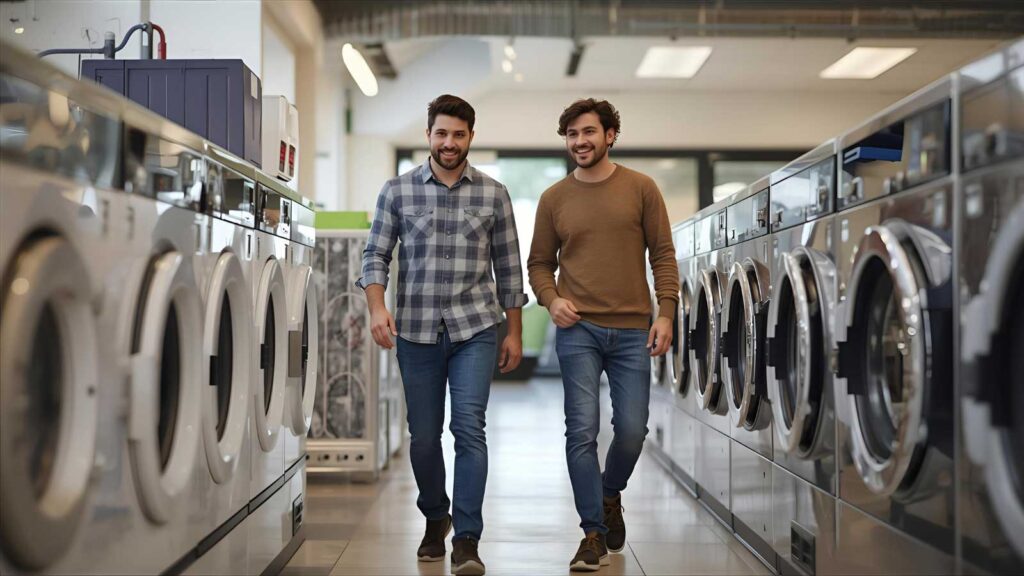
Purchasing commercial laundry equipment gives your business full ownership and long-term control. This option works best for operations with steady cash flow and a plan to keep their machines for many years.
The Advantages of Owning Your Equipment
Owning your equipment gives you advantages that leases don’t offer:
- Full control and customization: Ownership lets you decide how the equipment is used, upgraded, serviced, and integrated with your preferred systems, without the limitations of a lease contract.
- No recurring equipment payments: Once purchased, the machine only generates maintenance and repair expenses. For long-term operators, this often results in overall lower equipment costs compared to leasing.
- Asset ownership: The equipment becomes a business asset you can resell later. Instead of paying for temporary access, you own something with real value.
- Tax benefits: Purchased equipment can qualify for depreciation, including Section 179 or bonus depreciation. These deductions may offset part of your investment. A tax professional can confirm what applies to your situation.
Challenges to Consider Before Buying
Buying comes with challenges you should weigh carefully:
- Long-term financial commitment: Purchasing a full set of machines requires a significant upfront decision that locks your operation into specific models and capacities. This path works best when you are confident in your long-term location, customer demand, and equipment needs.
- Full responsibility for equipment care: Owners oversee the long-term upkeep of their machines, which means planning for wear, performance issues, and unexpected equipment demands as the machines age.
- Long-term equipment commitment: Purchasing ties your operation to the chosen models for many years, so you must plan around future capacity needs, performance expectations, and the eventual replacement timeline.
- Depreciation and resale uncertainty: Equipment value decreases over time. Market trends, brand reputation, and equipment condition all affect resale value when you eventually replace machines.
- Equipment disposal: When upgrading, you’re responsible for removing, transporting, and either selling or disposing of old units. This adds time and expense.
More Resources: The Benefits of Smart Technology in Commercial Laundry
Key Factors That Influence Your Best Option
Deciding between leasing and buying depends on how your operation functions today and what you expect in the years ahead. Several practical factors can guide your decision, especially when you understand how each option affects cost, flexibility, and long-term planning.
1. How Lease Terms Affect Cost and Flexibility
Commercial laundry equipment leases typically run 24, 36, 48, or 60 months, and each term length shapes your financial strategy differently. Shorter leases often mean higher payments but allow you to refresh equipment more frequently. Longer terms lower the monthly cost but commit you to the same equipment for an extended period. Selecting the right term depends on whether you value lower payments or more frequent upgrades.
2. Considering Used or Refurbished Equipment When Buying
Buying new equipment is not the only option. Many operators reduce their upfront expenses by choosing used or refurbished commercial laundry equipment, which is inspected, restored, and often backed by service providers. This approach lets buyers gain the advantages of ownership while keeping the initial investment more manageable.
Your Equipment Decision Starts Here
Making the right equipment decision depends on what your operation needs today and how you plan to grow. Each option, leasing or buying, offers distinct advantages, and the best choice comes from comparing those strengths to your goals.
At ACE Commercial Laundry Equipment Inc., we help laundromat owners, property managers, and on-premise teams evaluate the best path for acquiring commercial laundry equipment. Our specialists review equipment specifications, outline total cost scenarios, and match you with financing or purchasing options that fit your budget.
You can explore our available machines, check financing programs, or review solutions for laundromats and multi-housing properties in one place. Ready to choose the option that supports your operation’s success? Contact ACE Commercial Laundry Equipment Inc. today for a tailored consultation.
Also Read: How to Choose the Right Laundry Equipment for Your Industry