Running a commercial laundry space means juggling a lot: constant loads, tight schedules, and the ongoing pressure to keep everything clean and ready for use with reliable commercial laundry equipment. Oftentimes, it can feel like the machines never stop, and the utility bills prove it. Shifting to more eco-friendly practices helps lighten that load while keeping costs in check.
Small changes can make a noticeable difference. Sustainable habits, such as reducing water and energy consumption and switching to cleaner, more efficient products, support the long-term performance of your commercial laundry machines and keep daily operations running smoothly.
This blog breaks down simple, practical steps, with each tip highlighting real improvements you can apply right away to cut waste, lower expenses, and strengthen your overall efficiency.
Reduce Water and Energy Consumption
Water and energy use have the biggest impact on any laundry operation. Heating water, running wash cycles, and drying loads add up quickly. The good news is that small daily habits can lower consumption without changing the cleanliness of your results.
You can start applying these steps right away with the commercial laundry equipment you already have:
1. Maximize Load Efficiency
Wash cycles perform best when you run them with a full load. A commercial laundry machine uses nearly the same amount of water and energy for a half-load as for a full load. When you run smaller loads, you use more resources and raise your cost per item.
Here are simple ways to keep every cycle efficient:
- Set specific laundry collection times so you always wash full loads.
- Train your staff to combine similar items rather than running multiple small cycles.
- Post clear capacity reminders near each machine for self-service users.
- Review your usage patterns and adjust your schedule when you see rush periods or slow times.
2. Switch to Cold Water Washing
Heating water takes up most of the energy in a wash cycle. Cold water washing cuts this dramatically while still giving you clean, fresh results. Modern detergents work well at low temperatures, especially enzyme-based formulas that break down stains without heat. You only need hot water for items that require sanitizing, such as heavily soiled linens or healthcare-related textiles.
Items suitable for cold water washing:
- Everyday clothing and casual wear: These items usually carry light soils, so they clean well in cold water with a quality detergent. Using cold cycles helps preserve fabric integrity while reducing reliance on heat-intensive washing.
- Colored fabrics: Cold water protects color vibrancy, limiting dye transfer and fading. This keeps garments looking newer while lowering the need for high-temperature washes.
- Synthetic and athletic wear: Performance fabrics can warp or lose elasticity in hot water. Cold cycles maintain their structure and still lift sweat and light oils effectively.
- Lightly soiled towels and sheets: If linens only need freshening, cold water handles the job without unnecessary heat use. This gentle approach supports sustainability and keeps textile fibers from breaking down prematurely.
Making cold water your default setting can significantly lower your energy bills, and you still get dependable results from your commercial laundry equipment.
3. Maintain Equipment for Peak Performance
When commercial laundry equipment doesn’t get regular care, it works harder, uses more resources, and wears out faster. Regular maintenance keeps your machines running the way they were designed to and helps extend their lifespan. You save money, avoid downtime, and maintain consistent cleaning quality.
Important tasks to stay on top of:
- Clean lint filters after every drying cycle to maintain proper airflow: A clean filter allows the dryer to move air more freely, which shortens cycle times and prevents overheating. This habit keeps your equipment efficient and avoids unnecessary energy use.
- Inspect door seals, hoses, and connections monthly to spot early wear: Regular checks help you catch cracks or leaks early, protecting your commercial laundry machines from damage and preventing unnecessary water loss.
- Check water inlet screens for mineral buildup that can slow water flow: Screens can clog over time, which forces washers to compensate with longer cycles. Clearing buildup helps your equipment operate at the intended strength.
- Schedule professional service at manufacturer-recommended intervals: Trained technicians can diagnose early issues and keep your system running at peak performance, supporting long-term efficiency.
Well-maintained commercial laundry machines clean better, which reduces rewashes and cuts back on wasted water, detergent, and energy.
4. Detect and Prevent Water Waste
Leaks often go unnoticed, but they waste thousands of gallons of water every year. A single slow drip can cost you hundreds of dollars annually. When you multiply that across several machines, the loss becomes much bigger than you’d expect.
A simple leak-prevention routine helps protect your equipment:
- Inspect all visible connections and hoses weekly
- Monitor water bills for unexpected increases
- Check floor drains and areas behind machines regularly
- Consider smart water monitoring systems that alert you to unusual usage patterns
Fix leaks as soon as you spot them. Even a small drip indicates a failing seal or connection that will worsen over time.
Related Article: The Importance of Regular Cleaning for Commercial Laundry Machines
Choose Sustainable Laundry Products
The products you use affect everything: your environmental footprint, fabric quality, and even how satisfied your customers feel. Switching to greener options protects waterways and often delivers better results.
Select Biodegradable Detergents
Eco-friendly detergents break down naturally after use rather than lingering in the environment. Look for products free of phosphates, optical brighteners, and petroleum-based surfactants. Plant-based cleaners offer strong washing power without environmental drawbacks. They also work well with high-efficiency commercial laundry machines.
What to look for in sustainable detergents:
- Biodegradable or third-party environmental certifications
- Concentrated formulas that reduce packaging and storage
- Transparent ingredient lists without heavy synthetic fragrances
- Compatibility with high-efficiency commercial laundry equipment
Concentrated detergents are especially helpful in commercial settings because smaller containers reduce shipping emissions and packaging waste.
Replace Disposable Products with Reusable Alternatives
Disposable dryer sheets create extra waste and leave chemical residues on fabrics. On the other hand, wool dryer balls make a cleaner, longer-lasting alternative. They soften fabrics, reduce static, and last for thousands of cycles.
A single set costs about the same as a few months’ worth of dryer sheets but can last years, making them ideal for busy commercial laundry operations. They’re also suitable for customers with sensitive skin.
Install Microfiber Filtration Systems
Synthetic fabrics release tiny plastic fibers during washing. These microplastics pass through standard drains and end up in waterways, where they cause environmental harm. A microfiber filtration system captures these particles before they leave your facility.
Filtration options include:
- External filters connected to drain lines
- Built-in filtration technology on newer commercial laundry equipment
- Washing bags that contain items known to shed microfibers
Microplastic regulations continue to expand. Installing filtration now places your facility ahead of potential future requirements.
Invest in Modern Laundry Technology That Supports Sustainability
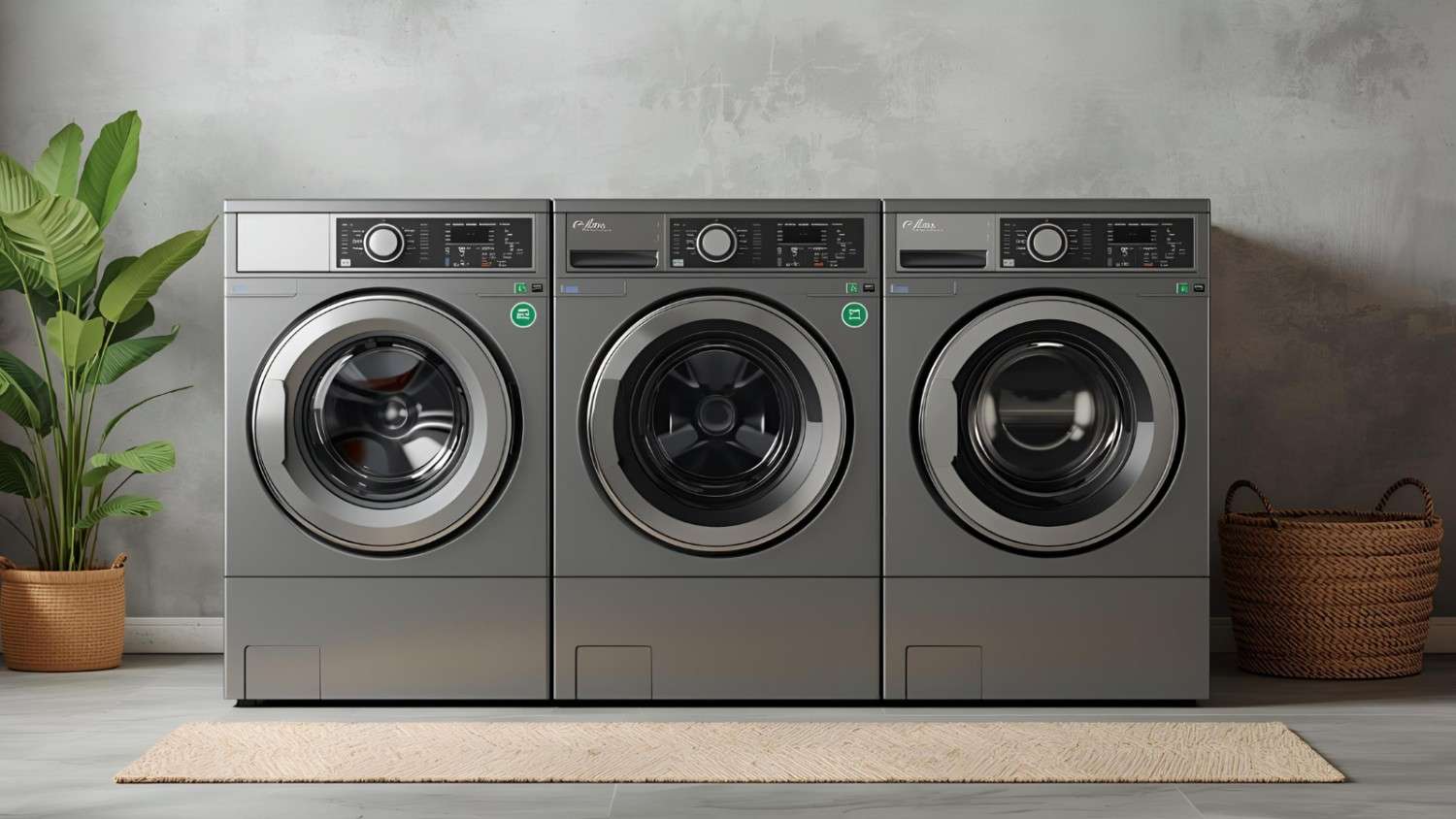
Newer commercial laundry equipment incorporates technology designed to optimize cleaning power, improve workflow, and support long-term durability, without relying on outdated resource-heavy methods.
Smart Sensor Technology
High-efficiency units use integrated sensors to adjust each cycle automatically. Load-sensing tools measure weight and volume, then adjust settings to match what’s inside.
Smart features in modern commercial laundry equipment include:
- Automatic detergent dispensing
- Fabric-specific temperature adjustments
- Shortened cycle times for lightly soiled loads
- Usage reports for performance tracking and planning
These features help operators standardize results, maintain fabric quality, and reduce unnecessary strain on the machines themselves.
High-Efficiency Washers and Dryers
Modern commercial laundry machines extract far more water during the spin cycle, allowing fabrics to move into the drying stage already partially dry. This technology improves overall workflow efficiency, reduces wear on textiles, and supports smoother turnaround for high-volume facilities.
ENERGY STAR-certified commercial laundry equipment meets strict Environmental Protection Agency (EPA) standards and ensures consistent, dependable performance.
When evaluating the best commercial laundry machines, look at:
- Water use per cycle: Choosing models engineered for low consumption helps you manage operational costs and reduce stress on your plumbing systems.
- Energy ratings and ENERGY STAR certification: Certifications help you identify models built for efficient performance without wasted electricity.
- Extraction speeds: Faster extraction reduces time in the dryer, leading to smoother laundry traffic and less strain on fabrics.
- Total cost of ownership: Long-term expenses matter just as much as the purchase price, especially in high-volume commercial laundry environments.
Facilities often look to operations like ACE Laundry when comparing commercial laundry equipment for sale, particularly when evaluating advanced technology or long-term replacement plans.
Also Read: The Benefits of Smart Technology in Commercial Laundry
Design Your Space for Sustainability
The way you set up your laundry room shapes your efficiency for years. Good layout and infrastructure choices support clean airflow, easier maintenance, and smoother daily operations.
Optimize Airflow and Ventilation
Strong ventilation helps move moisture out of the room, prevents mold, and keeps your commercial laundry equipment from working harder than necessary.
Ventilation tips that work in most facilities:
- Give dryers enough room for air to circulate
- Use straight, direct exhaust ducts
- Avoid sharp duct bends
- Clean ductwork annually
If your layout allows, you can add drying racks or lines for lightweight items, reducing the workload on your dryers.
Upgrade Lighting and Power Sources
LED bulbs use far less electricity and last longer than traditional lighting. If your laundry room runs for long hours, switching to LEDs reduces the need for replacements.
Other helpful upgrades include:
- Occupancy sensors for low-traffic areas
- Additional natural lighting
- Solar panels, when roof space allows
- Scheduling high-energy tasks during off-peak hours
These improvements complement your modern commercial laundry machines and support long-term sustainability.
Build Sustainable Habits Among Users
In laundromats and multi-housing facilities, the way your users handle laundry has a big effect on overall efficiency. Clear communication helps people make smarter, more sustainable choices without needing constant reminders from staff.
Design Effective Signage Systems
Good signage works only when people actually see it and understand it quickly. Place guidelines on or near the commercial laundry machines, not on distant walls they’ll overlook.
Helpful design tips:
- Use simple icons and short text so people understand the message instantly.
- Focus on user benefits rather than strict rules.
- Keep signs at eye level and close to the machine controls.
- Provide translations when serving multilingual communities.
Short, direct messages work best. For example, a simple “Full loads = lower cost per item” gets the point across much faster than a long explanation about environmental impact.
Create Convenient Recycling Infrastructure
Recycling becomes easier when the bins sit exactly where waste tends to pile up. Place them where customers open detergent, unwrap supplies, or clean out lint.
Smart recycling station locations:
- Besides detergent vending machine
- Near exits for people discarding empty containers
Use clear labels with images so customers sort items correctly. When recycling gets mixed with trash, it often ends up in landfills, even when people try to do the right thing.
Incentivize Sustainable Choices
A small incentive can motivate greener habits. Some facilities use loyalty rewards for cold-water cycles or off-peak usage. Digital payment systems make these adjustments simple by displaying price differences at the moment of selection.
Start Your Eco-Friendly Laundry Upgrade
A more sustainable laundry operation comes together through steady, practical changes. Begin with simple habits that cost nothing to implement, move toward using greener products, and plan equipment upgrades as your older commercial laundry machines reach the end of their lifespan.
ACE Laundry works with operators across Southern California who aim to modernize their facilities with technology-driven improvements and long-term planning support.
Browse our available commercial laundry equipment for sale or contact our team now for a consultation! We can help you identify the upgrades that offer strong environmental benefits and long-term savings for your facility.