
Most people know bedding and towels should be washed regularly, but figuring out the proper schedule can be confusing. Washing too often can wear down fabrics faster; waiting too long can lead to odors, germs, and discomfort.
Whether you’re caring for your own household laundry or managing a multi-housing laundry facility, knowing the right washing frequency helps maintain cleanliness, fabric quality, and guest satisfaction.
With the right approach, you can keep everything fresh, hygienic, and long-lasting without overdoing it.
Why Washing Frequency Matters
Understanding why bedding and towels need consistent care helps make sense of the recommended timelines. It’s not just about looking clean; washing impacts health, comfort, and the lifespan of fabrics.
- Hygiene and health: Bedding and towels naturally collect sweat, oils, and dead skin cells over time. If left unwashed, these can create the perfect environment for bacteria growth, leading to unpleasant odors or even skin irritation. Regular washing ensures the fabrics stay safe to use and feel comfortable against your skin.
- Allergy control: Dust mites and allergens thrive in fabric that remains unwashed for too long. For individuals with allergies, asthma, or sensitive skin, this can result in increased sneezing, irritation, or poor sleep. Keeping a consistent wash schedule helps reduce these triggers and creates a healthier environment in your home.
- Fabric lifespan: Every wash cycle puts some stress on fibers, but washing the right way at the right time helps balance cleanliness with care. Following proper routines prevents premature wear, like fraying or thinning. In the long run, this means your bedding and towels not only stay fresher but also last longer before needing replacements.
How Often to Wash Bedding
Bedding directly affects your comfort and health, so keeping it clean on a set schedule is essential. Each type of item has a different washing timeline based on how closely it comes into contact with your skin.
- Sheets and pillowcases: These should be washed at least once a week, as they come into contact with your skin and hair every night. They collect sweat, body oils, and dead skin cells that can accumulate quickly and create unpleasant odors. If you don’t sweat much and sleep alone, stretching every two weeks may be fine. Regular washing also keeps the fabric feeling soft and fresh against your skin.
- Duvet covers and blankets: Since they don’t come into direct contact with your skin, they can usually be washed every 2–4 weeks. Over time, they still collect dust and absorb some sweat from your sheets underneath. Washing them monthly keeps them clean without putting too much stress on the fabric. For homes with pets, you may need to wash them more frequently to manage fur and dander.
- Pillows and mattress protectors: These items require less frequent cleaning, approximately every 3–6 months. They absorb sweat, oils, and allergens that may not always be visible on the surface. Washing them on schedule helps maintain their shape and freshness, while also protecting your sleep quality. Using protective covers makes cleaning easier and reduces the buildup of hidden dirt inside.
Read Also: How to Wash Bedding the Right Way
How Often to Wash Towels
Towels pick up moisture and body residue quickly, which makes them different from bedding in how often they need cleaning. Here’s a clear breakdown for each type of towel.
- Bath towels: These should be washed after about three uses. When damp, towels become a breeding ground for bacteria and mildew, which can lead to musty odors or even skin irritation. Frequent washing keeps them fresh and ensures they absorb water properly. Letting them go longer often results in towels feeling rough or less effective.
- Face cloths: Wash face cloths after every single use. They directly touch your skin and often carry leftover makeup, oils, or skincare products. Reusing them without cleaning can transfer dirt back onto your skin, leading to clogged pores or breakouts. Fresh clothes each time keep your skincare routine practical and hygienic.
- Hand towels: These are touched by many people throughout the day, which means germs spread faster on them than on other fabrics. Washing them every two to three days prevents bacteria and odors from building up. This is especially important in shared households or guest bathrooms. Fresh hand towels help keep your bathroom clean and welcoming.
- Bathrobes: Robes can usually be washed about once a month, since they’re worn briefly and don’t get as damp as towels. However, if you wear one daily after showers, it’s better to wash it more frequently. Over time, even light use allows sweat and natural oils to collect in the fabric. A regular wash schedule prevents odors and keeps robes soft and comfortable.
Factors That Change How Often You Should Wash
The timelines above are a helpful guide, but everyone’s lifestyle is different. These factors may mean you’ll need to wash your bedding and towels more frequently than usual.
- Allergies and sensitive skin: People with allergies or asthma benefit from more frequent washing. Bedding and towels can trap dust mites, pollen, or pet dander that irritate the respiratory system or skin. Regularly cleaning them reduces these triggers and helps create a healthier environment. Sensitive skin also reacts better to freshly laundered fabrics, without the buildup that can occur with repeated washing.
- Heavy sweating or hot climates: If you live in a warm or humid environment, fabrics tend to stay damp for longer. Dampness facilitates the growth of odors and bacteria, particularly in towels. Washing more often prevents that stale smell and keeps fabrics comfortable against your skin. For athletes or individuals who sweat excessively at night, this adjustment is even more crucial.
- Illness in the household: When someone is sick, bacteria and viruses can linger on fabrics. Washing bedding and towels more often helps prevent germs from spreading to other family members. It’s a small change that protects everyone’s health. Hot water cycles can also be especially effective during this time to ensure thorough cleaning.
- Use of products: Skincare lotions, oils, or hair products easily transfer onto fabrics. Over time, this residue can cause stains, unpleasant odors, or even reduce the fabric’s absorbency. Washing more frequently when using these products prevents buildup and keeps items in better condition. It also helps fabrics feel cleaner and fresher after each wash.
Best Practices for Washing Bedding and Towels
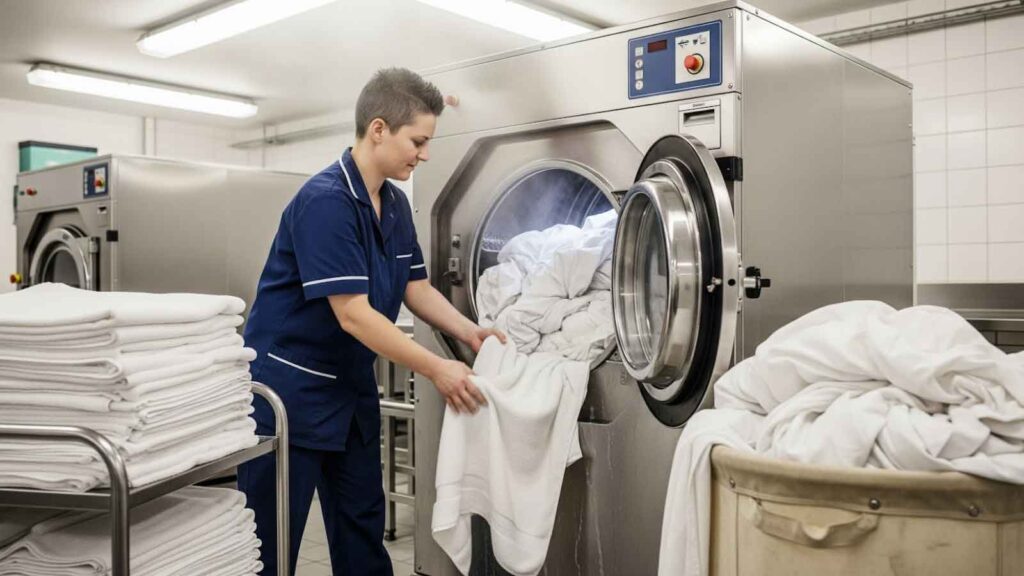
Even if you wash bedding and towels regularly, using the wrong settings or products can shorten their lifespan. Following these best practices and using reliable commercial laundry equipment helps you clean effectively while keeping fabrics comfortable and durable.
Water temperature and cycles
The way you set your washer plays a significant role in maintaining hygiene and caring for fabrics. Different items require different approaches, so selecting the right cycle prevents damage while still keeping them clean.
- Use hot or warm water for towels: Towels are thick and absorbent, which makes them prone to holding bacteria and odors. Hot or warm water helps kill germs effectively, especially after multiple uses. However, avoid washing with too much heat every time, as it may wear out fibers faster. Sticking to a balance ensures they stay clean without losing softness.
- Use cold or gentle cycles for delicate bedding: Delicate items like sheets or pillowcases retain their shape better when washed on cold or gentle settings. Hot water can weaken fibers and cause colors to fade. A gentle cycle reduces wear by using slower drum movements. This approach keeps bedding smooth and fresh for more prolonged use.
- Mix settings carefully for blended loads: If you need to wash both bedding and towels together, choose a cycle that prioritizes fabric safety. It’s usually better to wash towels separately, but if combined, opt for warm water and a regular cycle. This strikes a balance between thorough cleaning and protection. Taking a little care with settings prevents unnecessary wear and tear.
Choosing the right detergent
Detergents aren’t all the same, and using the right type can keep fabrics safe while still achieving a thorough clean. Selecting gentle, yet effective products is especially crucial for individuals with sensitive skin and those seeking long-term fabric care.
- Select mild, fragrance-free options: Harsh detergents may irritate the skin and damage fibers. A fragrance-free formula cleans effectively without leaving behind strong scents. These detergents are also less likely to cause residue buildup, which can make fabrics stiff. Keeping mild detergents stocked as part of your laundry supplies makes regular care more reliable. Having these on hand avoids last-minute trips to the store and ensures your fabrics are always washed with the right products.
- Avoid using bleach on regular washes: While bleach is effective against stains, frequent use can weaken the fibers in bedding and towels. Over time, it may even cause items to yellow instead of keeping them bright. Use it only as an occasional treatment for stubborn marks. For everyday cleaning, opt for gentler products that preserve fabric quality.
- Use the right amount of detergent: Adding too much soap won’t make fabrics cleaner, in fact, it can leave residue that causes stiffness. On the other hand, too little detergent may not remove all dirt or oils. Following the instructions on the product label ensures balanced cleaning. Consistency in measurement keeps laundry feeling soft and fresh.
Drying methods
How you dry bedding and towels affects their softness, absorbency, and durability. Using the right approach helps avoid damage and makes each item last longer.
- Air-dry bedding whenever possible: Air drying prevents shrinking and keeps delicate fabrics smooth. Hanging sheets and pillowcases in a well-ventilated area also helps prevent wrinkles caused by high heat. For darker items, drying indoors or in shaded spots prevents fading from direct sunlight. This method takes longer but is the most fabric-friendly.
- Dry towels thoroughly to prevent mildew: Towels must be completely dry before storing, or they may develop musty odors. A regular commercial dryer setting works well, as long as you avoid over-drying. Remove towels while still warm and let them finish drying naturally. This keeps them fluffy without putting stress on the fibers.
- Avoid over-drying to protect absorbency: Running towels for too long can cause the fibers to become brittle, reducing their ability to soak up water. Bedding can also stiffen if exposed to heat for extended periods. Stop the cycle once fabrics are dry to the touch rather than leaving them in extra-long cycles. This preserves comfort and performance with less energy use.
Ready to Keep Your Laundry Fresh with Less Effort?
You don’t have to tackle heavy bedding or overflowing laundry on your own. At Ace Laundry, we offer Commercial Laundry Equipment built to handle large volumes reliably, ideal for businesses, Airbnb hosts, or multi-family buildings.
Our Laundry Room Management services help you maintain machine uptime, manage servicing schedules, and ensure regular upkeep, allowing your operation to run smoothly. Plus, through our Supply division, you can get detergents, parts, and vending essentials all in one place.
Contact us today to explore the solutions and support that meet your laundry needs and help you eliminate operational headaches.