Apartment laundry rooms may seem like a minor detail in a multi-family property, but they often have an outsized impact on how residents view their living experience. A clean, reliable, and easy-to-use laundry facility can enhance daily life, reduce complaints, and even become a deciding factor for lease renewals. Conversely, poorly maintained or outdated laundry rooms can frustrate residents and push them to seek other housing options.
Successful apartment laundry room management requires understanding what residents expect and delivering on those expectations consistently. Below is a detailed breakdown of what matters most, along with practical steps to achieve it.
Why Laundry Room Experience Matters
A laundry room may not be the most glamorous feature in an apartment complex, but it plays a direct role in daily resident life. The way it is managed influences how tenants perceive the property as a whole, shaping their comfort, convenience, and overall satisfaction. A well-run laundry facility can be a quiet yet powerful factor in building loyalty and trust between residents and management.
More than just washers and dryers
For residents, laundry facilities are not only about getting clothes clean. They are part of the building’s overall service promise. A functional, comfortable, and safe laundry space sends a clear message that management values resident convenience. When machines are consistently operational, payment systems are easy to use, and the environment feels welcoming, residents feel that their time and comfort are being respected.
A cost-effective amenity for retention
In many multi-family properties, amenities like swimming pools or gyms may be used only occasionally by a fraction of tenants. Laundry facilities, on the other hand, serve a wide cross-section of residents regularly. This makes them one of the most consistently used amenities in the building. Ensuring that the laundry room is modern, well-maintained, and easy to access can be a relatively low-cost way to boost resident satisfaction and improve retention rates.
Core Resident Expectations and Practical Solutions
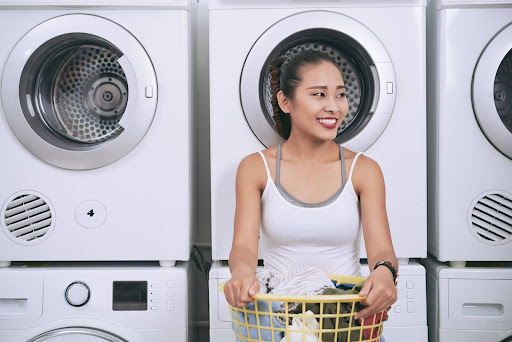
Successful laundry room management depends on meeting residents’ everyday needs with consistency and efficiency. These expectations go beyond simply having machines in place; they involve accessibility, convenience, cleanliness, and clear communication. Addressing each area with practical, well-planned solutions ensures the laundry facility remains a valued and dependable amenity for everyone in the building.
1. Adequate Machine Availability
One of the most common frustrations for residents is not having enough machines to use, especially during peak hours.
- Follow proven ratios: A widely accepted guideline is to provide one commercial washer and one dryer for every 8 to 10 units. Adjust this number if the building has a high percentage of large families or tenants who do laundry more frequently.
- Analyze peak times: Usage often spikes on weekends or evenings. Tracking these patterns helps determine if additional machines are necessary or if adjustments to access hours can spread demand more evenly.
- Reservation systems: In buildings with high occupancy, a reservation system—either through a mobile app or a sign-up sheet—can reduce wait times and disputes between residents.
2. Modern Convenience Through Technology
Today’s residents expect technology to simplify daily tasks, and laundry is no exception.
- Cashless payment systems: Modern residents prefer to pay via mobile app, credit card, or contactless systems instead of coins. This not only improves convenience but also eliminates the maintenance issues associated with coin-operated machines.
- Real-time updates: Systems that show which machines are available and send cycle-completion alerts can dramatically improve efficiency. They prevent unnecessary trips to the laundry room and reduce conflicts over machine use.
- Machine reservations: Allowing residents to reserve a specific machine through an app provides flexibility and helps manage peak usage.
3. Clean, Bright, and Safe Facilities
A laundry room should feel as clean and secure as any other shared space in the property.
- Daily cleaning: Wipe down machine surfaces, sweep floors, remove lint, and clear trash every day. These small tasks prevent grime build-up and keep the space inviting.
- Weekly deep cleaning: Mop floors, disinfect counters, clean behind machines, and check for mold or mildew in corners or vents.
- Lighting upgrades: Bright, even lighting helps residents feel secure and makes the space easier to use. Where possible, natural light can be incorporated to create a more welcoming atmosphere.
- Security measures: Keycard access, security cameras with posted notices, or staff presence during peak times can help deter theft, vandalism, and misuse.
4. Fast Maintenance and Clear Reporting
Broken machines are one of the fastest ways to damage resident trust.
- Simple reporting options: Provide QR codes on each machine that link to a repair request form, or integrate issue reporting into the payment app.
- Published repair timelines: Commit to a specific repair window, such as 24 to 48 hours, and communicate progress to residents when possible.
- Leasing and service contracts: Partnering with a commercial laundry service provider can ensure faster repairs and regular preventative maintenance, reducing downtime.
5. Clear Rules and Resident Education
Well-maintained laundry rooms depend on residents following basic etiquette.
- Concise, visible signage: Post key rules in large, easy-to-read text. Examples include “Remove laundry within 15 minutes of cycle completion,” “Clean the lint trap after use,” and “Do not leave clothing unattended for extended periods.”
- Include rules in move-in materials: Providing laundry guidelines during the onboarding process sets expectations early and can prevent misunderstandings.
- Periodic reminders: Brief notices in monthly newsletters or emails can reinforce etiquette without seeming heavy-handed.
6. Small Amenities That Add Value
Adding small, low-cost features can significantly improve the laundry experience.
- Folding counters: Provide ample surface space for residents to fold laundry without blocking others.
- Laundry carts: Carts make it easier to move laundry from machine to machine, especially for residents with mobility issues.
- Seating: Even a few chairs can make waiting more comfortable for residents who choose to stay in the room during cycles.
- Supply stations: Vending machines or small cabinets with detergent, fabric softener, and dryer sheets help residents who forget supplies.
- Trash and recycling bins: Keeping bins close to folding areas and exits encourages proper disposal of lint, packaging, and other waste.
7. Functional Layout and Durable Materials
The physical design of the laundry room plays a large role in ease of use and long-term upkeep.
- Durable surfaces: Slip-resistant floors, solid countertops, and stain-resistant finishes reduce wear and keep the space looking clean over time.
- Good ventilation: Proper airflow reduces humidity and prevents mold growth, improving both hygiene and machine longevity.
- Drainage systems: Adequate drainage prevents water pooling, which can lead to damage and safety hazards.
- Clear instructions: Label machines with straightforward operating directions and payment instructions. This reduces misuse and the need for staff intervention.
Implementation Roadmap for Management Teams
| Phase | Actions |
| Phase 1: Assess needs | Conduct a resident survey to identify current pain points, observe usage during peak hours, and check the washer-to-dryer ratio. |
| Phase 2: Upgrade basics | Address capacity issues, improve lighting, and install clear signage outlining rules and etiquette. |
| Phase 3: Introduce technology | Add mobile payment systems, real-time machine status updates, and easy repair reporting methods. |
| Phase 4: Enhance comfort | Install folding counters, carts, seating, and vending for laundry supplies. |
| Phase 5: Maintain standards | Create a cleaning schedule, track repair times, and solicit feedback quarterly to identify new improvement areas. |
Why This Approach Works for Properties
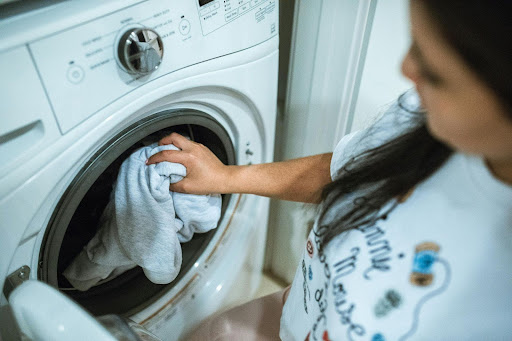
Meeting resident expectations in the laundry room leads to fewer complaints, higher satisfaction, and better retention. Clean, functional spaces reduce operational headaches, while modern conveniences improve daily life for residents. In competitive rental markets, providing a well-managed laundry facility can become a unique selling point that sets a property apart.
Final Takeaway
A well-run laundry room is more than a utility space; it is an everyday amenity that directly influences resident satisfaction. When management focuses on availability, convenience, cleanliness, and communication, the laundry facility becomes a silent driver of retention and a visible sign of commitment to quality living.
For properties seeking to upgrade or optimize their commercial laundry facilities, ACE Laundry provides professional equipment solutions, flexible maintenance programs, and modern payment systems tailored to meet both operational needs and resident expectations. Contact us today.