Your commercial dryer has been making that grinding noise for weeks. The washer in bay three leaks every other cycle. Repair bills are piling up, and you’re starting to question if it’s worth continuing to invest in aging equipment.
Making the decision to replace laundry equipment is a big financial decision, and no one wants to waste money. However, many operators overlook this: the total cost of maintaining failing equipment often outweighs the cost of upgrading. Frequent breakdowns, higher utility bills, and disruptions to operations add up quicker than most realize.
This blog provides clear, measurable criteria to help you determine when it’s time to replace your commercial washer or dryer.
Warning Signs: Mechanical Failures That Signal Replacement
Mechanical problems rarely stay small. What starts as an occasional issue often becomes frequent and eventually leads to constant failures. Spotting these warning signs early helps you plan for replacement and avoid scrambling during an emergency breakdown.
Persistent Leaks and Seal Failures
Water pooling around your machines is a clear sign of trouble beyond simple maintenance. Door gasket deterioration, drum seal breakdown, and cabinet corrosion all lead to leaks that worsen over time. Occasional seal replacements are normal, but if seals fail repeatedly within 12 to 18 months, it’s likely due to deeper structural issues.
Warped door hinges, shifted drum bearings, or corroded cabinet frames cause seals to fail prematurely, and you end up paying for the same repair without solving the root cause. Water around electrical components also creates safety risks. If seals keep failing despite replacements, it’s time to replace your machine.
Inconsistent Cycle Performance
If clothes are unevenly washed or items remain damp after drying, this points to issues with the control board, motor, or heating element in your commercial dryer.
Watch for these specific issues:
- Temperature fluctuations during wash cycles
- Timer malfunctions that result in incomplete or extended cycles
- Uneven cleaning across the same load
- Dry cycles that leave items damp after running for the full duration
Document these issues, as repeated cycle failures suggest that your equipment needs a professional evaluation. At this point, repairs might not be cost-effective, and replacement could be the best option.
Unusual Noises and Vibration Problems
Loud banging during spin cycles, grinding noises, and excessive vibration are all signs of mechanical failure. These sounds often indicate bearing issues, drum imbalance, or suspension system problems.
Replacing bearings on commercial dryers typically costs between $10 and $150 for parts alone, plus labor that costs range from $100 to $400. If bearings fail again within two years, the drum shaft or housing may have warped, making repairs ineffective. Vibration also damages flooring, nearby equipment, and plumbing, and running unstable machines increases liability risks.
Repair Costs vs. Replacement Costs
If repair costs exceed 15% to 20% of the replacement value, it’s usually more cost-effective to replace the equipment rather than continue repairing it. If costs are nearing 50%, immediate replacement is often the best option.
To apply this rule effectively, consider:
- Remaining Useful Life: Evaluate how much longer your equipment can continue functioning. If it’s showing wear and tear, it may not last long, making replacement a smarter choice.
- Warranty Coverage: Check if the repair is covered by a warranty. If it’s not, you could face more expenses down the line.
- Likelihood of Further Breakdowns: If multiple parts are failing or the equipment is aging, more breakdowns are likely, and repairs will become more frequent.
- Installation Costs for Replacement: Consider the costs for removing old equipment and installing new machines. While this is an upfront cost, replacing aging equipment will save you money in the long term.
Hidden Costs of Keeping Aging Equipment
Repair bills only tell part of the story. There are hidden costs you may not immediately think of:
- Revenue Lost During Downtime: If a commercial washer and dryer setup earns $50 a day, it loses $350 a week when out of service for repairs. Add the repair cost, and one breakdown can easily cost over $500.
- Staff Time: Coordinating repairs, scheduling service visits, and managing disruptions takes time away from more productive tasks, leading to inefficiencies.
- Emergency Weekend Service Premiums: Off-hours or weekend service adds 25% to 50% to the repair costs, which can quickly add up, especially with frequent repairs.
- Expedited Parts Shipping: If you need parts quickly, expedited shipping can significantly increase the overall repair cost.
- Opportunity Cost of Capital: Every time you invest in repairs, you’re tying up capital that could be used for other business opportunities or equipment upgrades.
When you add up these hidden costs, replacing the equipment often becomes a more financially sound decision.
Warning Sign: Rising Utility Bills Without Rate Changes
Older equipment uses more water and energy than newer models. As machines age, this efficiency gap grows. Rising utility bills without a change in rates are a clear sign that upgrading to newer equipment can significantly cut costs.
Water and Energy Consumption Comparisons
Modern, high-efficiency commercial washers or dryers use 30% to 50% less water than models made 10 to 15 years ago. In a high-volume operation, that difference can add up to thousands of gallons of water saved each month.
New dryers also benefit from improved water removal during the spin cycle:
- Modern extractors can achieve up to 400 G-force, compared to just 100 to 150 G in older models.
- Higher extraction reduces moisture by 25% to 40%, meaning less drying time and lower energy usage.
Your dryer runs longer and hotter when processing poorly extracted loads, directly leading to higher utility bills every cycle. Upgrading your equipment can save you significantly on water and energy costs.
Calculating Your Efficiency Payback Period
To assess the potential savings, compare your current monthly utility costs with what you could expect after upgrading to more efficient equipment. When looking at replacement options, request efficiency specs and consider Southern California’s utility rates.
Here’s a simple way to calculate your payback period:
- Record your current monthly water and electricity costs for laundry equipment.
- Get the efficiency ratings for the equipment you’re considering.
- Estimate your monthly savings based on these ratings.
- Divide the total replacement cost by your monthly savings to figure out how long it will take to pay back the investment.
Many operators see their investment pay off within 2 to 4 years through efficiency improvements alone. Plus, California’s utility rebate programs can speed up this process by lowering your upfront costs.
Also Read: How to Reduce Utility Costs in Commercial Laundry Rooms
Warning Sign: Your Equipment Can’t Support Modern Features
Equipment technology has come a long way, offering more than just basic wash-and-dry functions. Modern machines provide management features that help prevent problems, improve operations, and give you data to make better business decisions. Older equipment doesn’t offer any of these advantages.
Smart Controls and Remote Management
With real-time machine monitoring, you can check the status of your equipment remotely, get alerts before small issues become big problems, and track usage for better business planning. Remote diagnostics can even spot issues before they need on-site service, helping you reduce downtime and avoid unnecessary service calls.
Modern commercial washers and dryers with smart controls offer:
- Notifications when cycles are complete
- Error alerts sent straight to your phone
- Usage and revenue tracking
- Preventive maintenance reminders
These capabilities change the way you manage your operation. If your equipment lacks these features, it’s a sign that your equipment is out of date and may need to be replaced.
Payment System Compatibility
Mobile payment methods have changed how customers expect to pay. Older coin-only machines limit your customer base and hurt your revenue potential.
New payment systems integrated into modern commercial washer and dryer equipment accept credit and debit cards, mobile wallets, and app-based payments. These digital payment solutions also provide transaction data and eliminate the hassle of coin collection.
If your equipment can’t support modern payment systems, it’s a sign that it’s time to upgrade.
Programmable Cycles and Resource Optimization
Customizable cycle programming lets you optimize settings for different load types. Automatic chemical dispensing cuts down on waste while ensuring consistent results. Water level sensing adjusts the fill volume based on the load size, so you don’t waste water on partial loads.
These features reduce operating costs, improve cleaning quality, and make your commercial dryer and washer fleet run more efficiently with less waste.
Warning Sign: Competitors Are Outperforming Your Facility
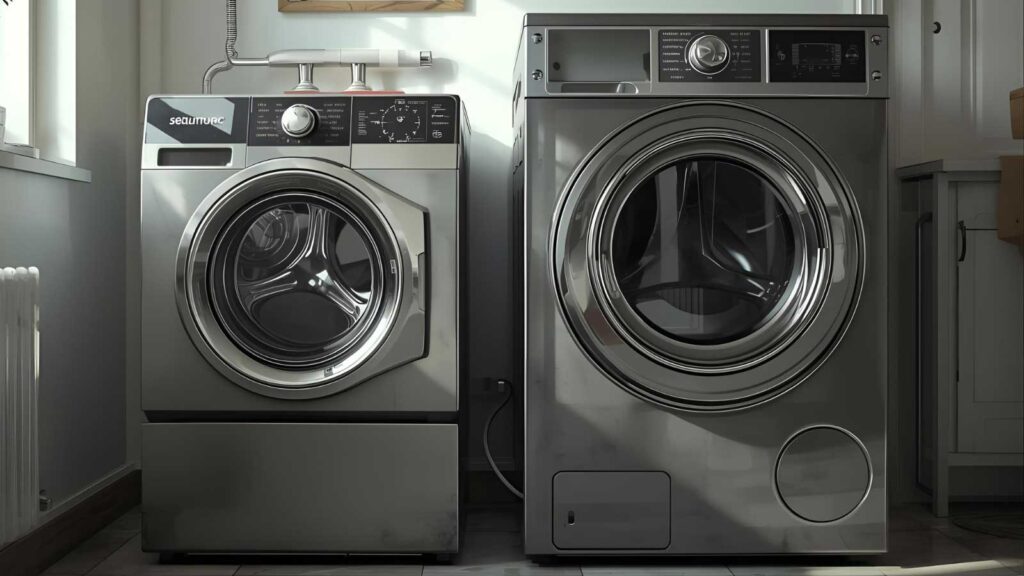
If competitors are offering faster service, more convenience, and higher-quality results, it’s a sign that your equipment is holding you back from staying competitive.
Competitive Positioning and Market Perception
Your facility is competing for customers every day. Modern equipment shows that you’re investing in quality and professionalism. In contrast, aging machines with visible wear, outdated interfaces, and limited payment options send the opposite message.
- For laundromat operations, first impressions matter. A potential customer will quickly decide where to spend their money when they see old equipment next to a competitor’s modern setup.
- For multi-housing properties, the condition of laundry equipment influences tenant perceptions, affecting lease renewals and prospective tenant interest.
Capacity and Throughput Limitations
Older, smaller machines create bottlenecks during peak times, limiting throughput. A 15-year-old commercial dryer handles smaller loads and runs longer cycles than modern machines.
For example:
- Modern washers handle 40-80 pounds per load, compared to just 20-35 pounds in older models.
- Faster cycle times mean more turns per day.
- Improved extraction reduces drying time significantly.
If your equipment is limiting throughput, it’s a sign that you need to upgrade to keep up with customer demand.
Feature Expectations and Service Standards
Customers today expect conveniences that older machines can’t provide, like cycle status notifications, mobile payments, and shorter wait times. If your equipment can’t meet these expectations, you’re at a disadvantage. Competitors offering modern features will attract customers who might otherwise choose your location based on convenience.
Next Read: Best Commercial Laundry Equipment and Brands
How to Confirm It’s Time (Your Equipment Assessment Checklist)
To confirm it’s time to replace your equipment, evaluate the following:
- Equipment age: Washers over 10 to 12 years old, or dryers over 12 to 15 years old, are prime candidates for replacement.
- Annual repair costs: If repair costs exceed 15% to 20% of the replacement value, it’s usually better to upgrade.
- Similar failures across machines: If multiple machines are showing the same issues at the same time, it’s a sign that the equipment may be beyond repair.
- Increased utility consumption: If your utility bills have risen significantly without any change in rates, the equipment may be inefficient.
- Payment system compatibility: If your equipment doesn’t support the payment methods your customers expect, it may be time for an upgrade.
- Capacity limitations: If your machines can’t handle peak periods efficiently, it’s limiting your throughput and potential earnings.
- Scarcity of replacement parts: If parts for your equipment are no longer available or have been discontinued, replacement is often the better option.
If a single severe issue, like repair costs exceeding 50% of the replacement value, arises, immediate replacement may be necessary. However, when multiple moderate issues combine, it’s just as compelling a reason to plan for replacement.
Planning Your Upgrade Timeline
Lead times for equipment typically range from 4 to 8 weeks for standard orders. Financing options can help manage cash flow and preserve working capital. Properly scheduling installation can minimize business disruption.
To prepare for your equipment consultation, gather:
- Maintenance records that show repair frequency and costs.
- Utility bills that document consumption trends.
- Notes on specific performance issues you’ve noticed.
- Information on your peak usage times and capacity needs.
For larger operations, phased replacements allow you to upgrade over time while improving the worst-performing equipment first.
Take the Next Step
Your equipment will let you know when it’s time for a replacement. Constant breakdowns, rising repair costs, efficiency issues, outdated technology, and competitive disadvantages all point to the fact that continuing to invest in aging machines is no longer beneficial to your business.
Get in touch with ACE Laundry for an equipment assessment! Our team works with commercial laundry operations across Southern California, helping operators assess their current equipment and find replacement options that meet their specific needs and budget.
When your commercial dryers and washers run smoothly and efficiently, your business can perform at its best. Contact ACE Commercial Laundry Equipment Inc at 14404 Hoover St, Westminster, CA 92683, or call 877-630-7278 to let us help you get there!